
ব্লগ
আধুনিক বিশ্লেষণাত্মক রসায়নের বিশাল ক্ষেত্রে, বর্ণালী বিশ্লেষণের একটি গুরুত্বপূর্ণ যন্ত্র হিসেবে বর্ণালী ফোটোমিটার একটি অপরিহার্য ভূমিকা পালন করে। এর উচ্চ সংবেদনশীলতা, উচ্চ নির্বাচনীতা এবং বিস্তৃত অ্যাপ্লিকেশন পরিসরের সাথে, এটি বৈজ্ঞানিক গবেষণা, শিল্প এবং চিকিৎসা যত্নের মতো অনেক ক্ষেত্রে একটি মূল হাতিয়ার হয়ে উঠেছে। এই কাগজটি স্পেকট্রোফটোমিটারের মৌলিক নীতি, প্রধান ধরন, প্রয়োগের ক্ষেত্র এবং প্রযুক্তিগত উদ্ভাবনের উপর গভীরভাবে আলোচনা করবে।
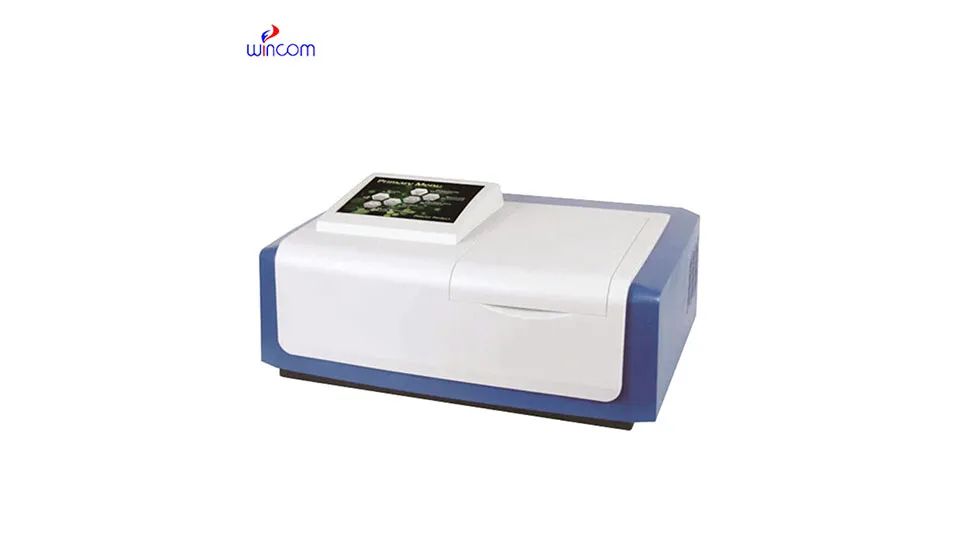
একটি স্পেকট্রোফটোমিটার, নাম অনুসারে, একটি যন্ত্র যা একটি নির্দিষ্ট তরঙ্গদৈর্ঘ্যে আলোর শোষণ বা সংক্রমণ পরিমাপ করে পদার্থের গঠন এবং বিষয়বস্তু বিশ্লেষণ করে। মূল নীতিটি ল্যামবার্ট-বিয়ার আইনের উপর ভিত্তি করে, অর্থাৎ, যখন একরঙা আলোর একটি রশ্মি একটি অভিন্ন অ-বিক্ষিপ্ত মাধ্যমের মধ্য দিয়ে যায়, তখন এর শোষণ A মধ্যমটিতে আলো-শোষণকারী উপাদানের ঘনত্ব c এবং মাধ্যমের মধ্য দিয়ে যাওয়া আলোর পুরুত্ব l এর সমানুপাতিক। সম্পর্কটি হল A = kcl, যেখানে k হল একটি আনুপাতিক ধ্রুবক, যা আলো-শোষণকারী উপাদানের প্রকৃতি এবং ঘটনা আলোর তরঙ্গদৈর্ঘ্যের সাথে সম্পর্কিত।
একটি স্পেকট্রোফটোমিটারের মূল উপাদানগুলির মধ্যে রয়েছে একটি আলোর উৎস, একরঙা, নমুনা চেম্বার, আবিষ্কারক এবং ডেটা প্রসেসিং সিস্টেম। আলোর উৎস আলোক বিকিরণের একটি বিস্তৃত বর্ণালী ব্যান্ড প্রদান করে এবং একরঙা আলোর উৎস দ্বারা নির্গত আলোকে একরঙা আলোতে ভাগ করার জন্য এবং নির্দিষ্ট তরঙ্গদৈর্ঘ্যের আলোকে অতিক্রম করার জন্য একরঙা দায়বদ্ধ। নমুনা চেম্বারটি নমুনা পরীক্ষা করার জন্য ব্যবহার করা হয়। যখন একরঙা আলো নমুনার মধ্য দিয়ে যায়, তখন আলোর কিছু অংশ নমুনা দ্বারা শোষিত হয় এবং অবশিষ্ট আলো নমুনার মধ্য দিয়ে যায় এবং ডিটেক্টরে প্রবেশ করে। ডিটেক্টর অপটিক্যাল সিগন্যালকে একটি বৈদ্যুতিক সংকেতে রূপান্তর করে এবং অবশেষে নমুনার শোষণ বা প্রেরণের মতো পরামিতিগুলি পেতে ডেটা প্রসেসিং সিস্টেমের মাধ্যমে এটি বিশ্লেষণ করে।
বিভিন্ন শ্রেণিবিন্যাস মান অনুযায়ী, স্পেকট্রোফটোমিটারকে অনেক প্রকারে ভাগ করা যায়। তরঙ্গদৈর্ঘ্য পরিসীমা অনুযায়ী বিভক্ত, এটি অতিবেগুনী-দৃশ্যমান স্পেকট্রোফোটোমিটার, ইনফ্রারেড স্পেকট্রোফোটোমিটার ইত্যাদিতে বিভক্ত করা যেতে পারে; পরিমাপ পদ্ধতি অনুযায়ী বিভক্ত, এটি একক মরীচি স্পেকট্রোফোটোমিটার, ডুয়াল বিম স্পেকট্রোফোটোমিটার এবং ডুয়াল ওয়েভলেংথ স্পেকট্রোফটোমিটার ইত্যাদিতে বিভক্ত করা যেতে পারে; অটোমেশন ডিগ্রী অনুযায়ী বিভক্ত, এটি ম্যানুয়াল স্পেকট্রোফোটোমিটার, আধা-স্বয়ংক্রিয় স্পেকট্রোফোটোমিটার এবং সম্পূর্ণ স্বয়ংক্রিয় স্পেকট্রোফটোমিটারে বিভক্ত করা যেতে পারে।
তাদের মধ্যে, অতিবেগুনী-দৃশ্যমান স্পেকট্রোফোটোমিটার সবচেয়ে বেশি ব্যবহৃত টাইপ হয়ে উঠেছে কারণ এর পরিমাপ তরঙ্গদৈর্ঘ্যের পরিসর বেশিরভাগ জৈব এবং অজৈব যৌগের বৈশিষ্ট্যযুক্ত শোষণের শিখরকে কভার করে। একটি রেফারেন্স রশ্মি প্রবর্তন করে, ডুয়াল-বিম স্পেকট্রোফোটোমিটার কার্যকরভাবে পরিমাপের ফলাফলের উপর আলোর উৎসের ওঠানামা এবং যন্ত্রের শব্দের মতো কারণগুলির প্রভাব দূর করে এবং পরিমাপের নির্ভুলতা এবং স্থায়িত্ব উন্নত করে।
স্পেকট্রোফোটোমিটারের প্রয়োগের একটি বিস্তৃত পরিসর রয়েছে, যা প্রায় সমস্ত ক্ষেত্রকে কভার করে যেগুলির উপাদান গঠন এবং বিষয়বস্তুর পরিমাণগত বা গুণগত বিশ্লেষণের প্রয়োজন হয়। নিচে কয়েকটি সাধারণ প্রয়োগের উদাহরণ দেওয়া হল:
এনভায়রনমেন্টাল মনিটরিং: পরিবেশগত পর্যবেক্ষণে, স্পেকট্রোফটোমিটার ব্যবহার করা হয় পানি ও বায়ুমণ্ডলে দূষণকারীর ঘনত্ব, যেমন ভারী ধাতু আয়ন, জৈব দূষণকারী ইত্যাদি। আলোর নির্দিষ্ট তরঙ্গদৈর্ঘ্যের জন্য এই দূষণকারীর শোষণ বা বিক্ষিপ্ত বৈশিষ্ট্য পরিমাপ করে, দ্রুত পরিবেশের মানের নিরীক্ষণ এবং গুণমান অর্জন করতে পারে।
খাদ্য নিরাপত্তা: খাদ্য নিরাপত্তার ক্ষেত্রে, স্পেকট্রোফটোমিটার খাদ্যে সংযোজন, কীটনাশকের অবশিষ্টাংশ, পুষ্টি ইত্যাদি সনাক্ত করতে ব্যবহৃত হয়। উদাহরণস্বরূপ, খাদ্যের নমুনার অতিবেগুনী রশ্মি শোষণের বৈশিষ্ট্যগুলি পরিমাপ করে, খাদ্যে অবৈধভাবে যুক্ত রঙ্গক বা সংরক্ষণকারী রয়েছে কিনা তা নির্ধারণ করা যেতে পারে।
ওষুধ বিশ্লেষণ: ওষুধের বিকাশ এবং উত্পাদনের সময়, স্পেকট্রোমিটারগুলি ওষুধ এবং জৈবিক অণুর মধ্যে বিশুদ্ধতা, বিষয়বস্তু এবং মিথস্ক্রিয়া নির্ধারণ করতে ব্যবহৃত হয়। ওষুধের গুণমান এবং কার্যকারিতা নিশ্চিত করার জন্য এটি অত্যন্ত তাৎপর্যপূর্ণ।
জৈবিক বিজ্ঞান: জৈবিক বিজ্ঞানের ক্ষেত্রে, স্পেকট্রোফটোমিটার ব্যাপকভাবে প্রোটিন এবং নিউক্লিক অ্যাসিডের মতো জৈবিক ম্যাক্রোমোলিকুলের পরিমাণগত বিশ্লেষণ এবং কাঠামোগত গবেষণার জন্য ব্যবহৃত হয়। এই জৈব অণুগুলির আলো শোষণ, প্রতিপ্রভ এবং অন্যান্য বৈশিষ্ট্যগুলি পরিমাপ করে তাদের কাঠামোগত এবং কার্যকরী সম্পর্ক প্রকাশ করা যেতে পারে।
বিজ্ঞান এবং প্রযুক্তির ক্রমাগত বিকাশের সাথে, স্পেকট্রোফটোমিটার ক্রমাগত উদ্ভাবন এবং উন্নতি করছে। এখানে কিছু প্রধান প্রযুক্তিগত উদ্ভাবনের দিক রয়েছে:
উচ্চ রেজোলিউশন এবং উচ্চ সংবেদনশীলতা: পরিমাপের নির্ভুলতা এবং সংবেদনশীলতা উন্নত করার জন্য, আধুনিক স্পেকট্রোমিটারগুলি উচ্চতর বর্ণালী রেজোলিউশন এবং নিম্ন সনাক্তকরণ সীমা অনুসরণ করে চলেছে। আরও উন্নত অপটিক্যাল উপাদান এবং সনাক্তকরণ প্রযুক্তি গ্রহণ করে, দুর্বল সংকেতগুলির সঠিক পরিমাপ এবং জটিল বর্ণালীগুলির সূক্ষ্ম বিশ্লেষণ অর্জন করা যেতে পারে।
অটোমেশন এবং বুদ্ধিমত্তা: অটোমেশন এবং বুদ্ধিমান প্রযুক্তির ক্রমাগত বিকাশের সাথে, স্পেকট্রোফটোমিটার ধীরে ধীরে অটোমেশন এবং বুদ্ধিমত্তার দিকে বিকাশ করছে। স্বয়ংক্রিয় স্যাম্পলিং সিস্টেম, স্বয়ংক্রিয় ডেটা প্রসেসিং সিস্টেম এবং অন্যান্য সরঞ্জাম এবং প্রযুক্তিগত উপায় প্রবর্তন করে, দ্রুত নমুনা প্রক্রিয়াকরণ এবং স্বয়ংক্রিয় ডেটা বিশ্লেষণ উপলব্ধি করা যেতে পারে। একই সময়ে, কৃত্রিম বুদ্ধিমত্তা এবং মেশিন লার্নিংয়ের মতো উন্নত প্রযুক্তির সাথে মিলিত, বর্ণালী ডেটার বুদ্ধিমান বিশ্লেষণ এবং পূর্বাভাসও উপলব্ধি করা যেতে পারে।
বহুবিধ কার্যকারিতা এবং একীকরণ: বিভিন্ন ক্ষেত্র এবং বিভিন্ন ব্যবহারকারীর চাহিদা মেটানোর জন্য, আধুনিক স্পেকট্রোমিটারগুলি ধীরে ধীরে বহুমুখিতা এবং একীকরণের দিকে বিকাশ করছে। একাধিক সনাক্তকরণ মোড এবং কার্যকরী মডিউলগুলি (যেমন ফ্লুরোসেন্স সনাক্তকরণ, কেমিলুমিনেসেন্ট সনাক্তকরণ ইত্যাদি) একীভূত করে একাধিক ধরণের নমুনাগুলির ব্যাপক বিশ্লেষণ এবং সনাক্তকরণ অর্জন করা যেতে পারে। একই সময়ে, অন্যান্য যন্ত্রের (যেমন ক্রোমাটোগ্রাফ, ভর স্পেকট্রোমিটার ইত্যাদি) সাথে কাপলিং এবং একীকরণের মাধ্যমে আরও জটিল এবং গভীর বিশ্লেষণাত্মক গবেষণা অর্জন করা যেতে পারে।
বহনযোগ্যতা এবং ক্ষুদ্রকরণ: বহনযোগ্য ডিভাইস এবং ক্ষুদ্রকরণ প্রযুক্তির ক্রমাগত বিকাশের সাথে, স্পেকট্রোফটোমিটার ধীরে ধীরে বহনযোগ্যতা এবং ক্ষুদ্রকরণের দিকে বিকাশ করছে। এই ক্ষুদ্রাকৃতির স্পেকট্রোফোটোমিটারের শুধুমাত্র ছোট আকার, হালকা ওজন এবং বহন করা সহজ সুবিধাই নেই, তবে এটি অন-সাইট রিয়েল-টাইম সনাক্তকরণ এবং দ্রুত বিশ্লেষণ এবং অন্যান্য ফাংশন উপলব্ধি করতে পারে। পরিবেশগত পর্যবেক্ষণ এবং খাদ্য নিরাপত্তার মতো ক্ষেত্রে অন-সাইট টেস্টিং এবং ইনসিডেন্ট রেসপন্স সার্ভিসের জন্য এটি অত্যন্ত তাৎপর্যপূর্ণ।
সংক্ষেপে বলতে গেলে, বর্ণালী বিশ্লেষণের একটি গুরুত্বপূর্ণ যন্ত্র হিসেবে বর্ণালী ফটোমিটার আধুনিক বিশ্লেষণাত্মক রসায়নে একটি অপরিবর্তনীয় ভূমিকা পালন করে। প্রযুক্তির ক্রমাগত উদ্ভাবন এবং উন্নতি এবং অ্যাপ্লিকেশন ক্ষেত্রগুলির ক্রমাগত সম্প্রসারণ এবং গভীরতার সাথে, এটি বিশ্বাস করা হয় যে স্পেকট্রোফটোমিটার ভবিষ্যতে আরও গুরুত্বপূর্ণ ভূমিকা পালন করবে।
ই-মেইল: [email protected]
টেলিফোন: +86-731-84176622
+86-731-84136655
ঠিকানা: Rm.1507, Xinsancheng Plaza. নং 58, রেনমিন রোড(ই), চাংশা, হুনান, চীন


 EN
EN
 af
af
 es
es
 ar
ar
 tr
tr
 sw
sw
 pt
pt
 th
th
 ur
ur
 bn
bn
 ne
ne
 vi
vi
 km
km
 lo
lo
 de
de
 ru
ru
 fi
fi
 nl
nl
 fa
fa
 fr
fr
 ko
ko


