
ব্লগ
হাসপাতাল এবং ল্যাবরেটরিতে যন্ত্র, নমুনা ইত্যাদির মতো সংবেদনশীল ডিভাইসগুলির নিরাপদ ও নিরাপদ চলাচলের জন্য মানসম্পন্ন পরিবহন সরঞ্জামের ব্যবহার সর্বদা প্রয়োজনীয়। এই ধরনের বিভিন্ন সরঞ্জামের মধ্যে, ইন্সট্রুমেন্ট ট্রলিগুলি সবচেয়ে গুরুত্বপূর্ণ এবং মৌলিক, কারণ তারা উল্লিখিত জায়গাগুলির পুরো দৈনন্দিন কাজকে সমর্থন করে। যাইহোক, ক্রেতা এবং অধিগ্রহণ দলগুলির জন্য একটি প্রশ্ন সর্বদা পপ আপ করে - একজনের কি স্টেইনলেস স্টিল বা একটি প্লাস্টিকের উপকরণ ট্রলি বেছে নেওয়া উচিত?
এই সিদ্ধান্তের সুদূরপ্রসারী প্রভাব রয়েছে; শুধুমাত্র অপারেশনাল দক্ষতাই প্রভাবিত হবে না বরং দীর্ঘমেয়াদে নিরাপত্তা, স্থায়িত্ব এবং প্রবিধানের সাথে সম্মতিও ক্ষতিগ্রস্ত হবে। রপ্তানিকারকদের ক্ষেত্রে, সঠিক উপাদান নির্বাচন করা আরও গুরুত্বপূর্ণ হয়ে ওঠে কারণ বিভিন্ন আন্তর্জাতিক মান এবং ব্যবহারের শর্ত গ্রাহকের প্রত্যাশায় সূক্ষ্ম পার্থক্য তৈরি করতে পারে। এই বিষয়গুলির সচেতনতা একটি হাসপাতাল বা পরীক্ষাগারকে একটি আশ্বস্ত এবং ভালভাবে সমর্থিত সিদ্ধান্ত নিতে দেয়।
ভারী চিকিৎসা ডিভাইস, সিল করা পাত্র এবং ডায়াগনস্টিক যন্ত্রগুলি হল এমন কিছু আইটেম যা বেশিরভাগ হাসপাতাল এবং ল্যাবরেটরিগুলিতে ঘুরতে হয়। ডান ট্রলিটি সরানোর সময় বাঁকানো, ফাটল বা টিপ দেওয়ার ঝুঁকি ছাড়াই সর্বাধিক ওজনের প্রয়োজনীয়তা মিটমাট করতে হবে।
উচ্চ ঝুঁকিপূর্ণ এলাকায় পুঙ্খানুপুঙ্খ পরিষ্কার করা হয়. বারবার জীবাণুমুক্তকরণের শিকার হওয়ার পরে উপকরণগুলি তাদের কাঠামোগত অখণ্ডতা এবং পরিচ্ছন্নতা বজায় রাখতে হবে।
দীর্ঘায়ু ফ্যাক্টর সরাসরি ক্রয়ের খরচ দক্ষতা প্রভাবিত করে; তাই, ক্রেতাদের অবশ্যই ট্রলির জন্য ব্যবহার করা উপাদানের ধরণ বিবেচনা করতে হবে এর প্রভাব, ঘর্ষণ এবং প্রতিদিন ব্যবহার করার কয়েক বছর ধরে পরিবেশের এক্সপোজারের বিরুদ্ধে প্রতিরোধের পরিপ্রেক্ষিতে।
প্রয়োজনীয় বৈশিষ্ট্যগুলির মধ্যে রয়েছে মসৃণ গতি, স্থিতিশীল চাকা এবং আরামদায়ক হ্যান্ডলগুলি। ট্রলির মোট ওজন টাইট স্পেস বা ট্র্যাফিকের সাথে ভারী হাঁটার পথগুলি মোকাবেলা করার ক্ষমতাতেও একটি ভূমিকা পালন করে।
বাজেটে ভিন্নতা রয়েছে এবং সিদ্ধান্ত নেওয়া ব্যক্তিদের স্বল্প মেয়াদে করা সঞ্চয়ের সাথে দীর্ঘমেয়াদে প্রতিস্থাপন বা মেরামতের ব্যয় তুলনা করতে হবে।
অধিকন্তু, রপ্তানিকারকদের নিশ্চিত করতে হবে যে তাদের পণ্যগুলি আইএসও, সিই, বা এফডিএ সম্মতির মতো আন্তর্জাতিক সার্টিফিকেশন প্রয়োজনীয়তা পূরণ করে। সম্পূর্ণরূপে অনুগত উপকরণ ব্যবহার ডকুমেন্টেশন সহজতর এবং কাস্টমস ক্লিয়ারেন্স দ্রুততর.
এটি শুধুমাত্র মরিচা প্রতিরোধ করে নয় বরং আর্দ্রতা এবং রাসায়নিকের এক্সপোজার প্রতিরোধ করে দুর্দান্ত স্থিতিশীলতা প্রদান করে। এটি সবচেয়ে চাহিদাপূর্ণ লোড এবং সবচেয়ে গুরুতর নির্বীজন প্রক্রিয়ার সময় কাঠামোর নির্ভরযোগ্যতা বজায় রাখে।
অন্যদিকে, এর শক্তিশালী গঠন উচ্চ লোডের সাথে কাজ করা সম্ভব করে তোলে, এইভাবে এটি সার্জিক্যাল স্যুট, গবেষণা ল্যাবরেটরি এবং ডায়াগনস্টিক বিভাগের জন্য উপযুক্ত যেখানে ভারী যন্ত্রপাতি ব্যবহার করা হয়।
এই বৈশিষ্ট্যটি শুধুমাত্র উচ্চ তাপমাত্রা এবং বাষ্পের ক্ষেত্রেই প্রযোজ্য নয় বরং স্বাস্থ্যবিধির ক্ষতি বা পরিবর্তন ছাড়াই আক্রমণাত্মক রাসায়নিকের ক্ষেত্রেও প্রযোজ্য।
স্টেইনলেস স্টিলের মসৃণ, উজ্জ্বল পৃষ্ঠটি হাসপাতাল এবং পরীক্ষাগারগুলির প্রত্যাশিত চেহারার সাথে সঙ্গতিপূর্ণ, এইভাবে পেশাদারিত্ব এবং নিরাপত্তার বৈশিষ্ট্যগুলিকে জোরদার করে৷
স্টেইনলেস স্টীল ট্রলি, যদিও প্রাথমিকভাবে ব্যয়বহুল, বেশ কয়েক বছর ধরে চলার জন্য তৈরি করা হয়, তাই চলমান খরচ কম রেখে প্রতিস্থাপনের ফ্রিকোয়েন্সি কমিয়ে দেয়।
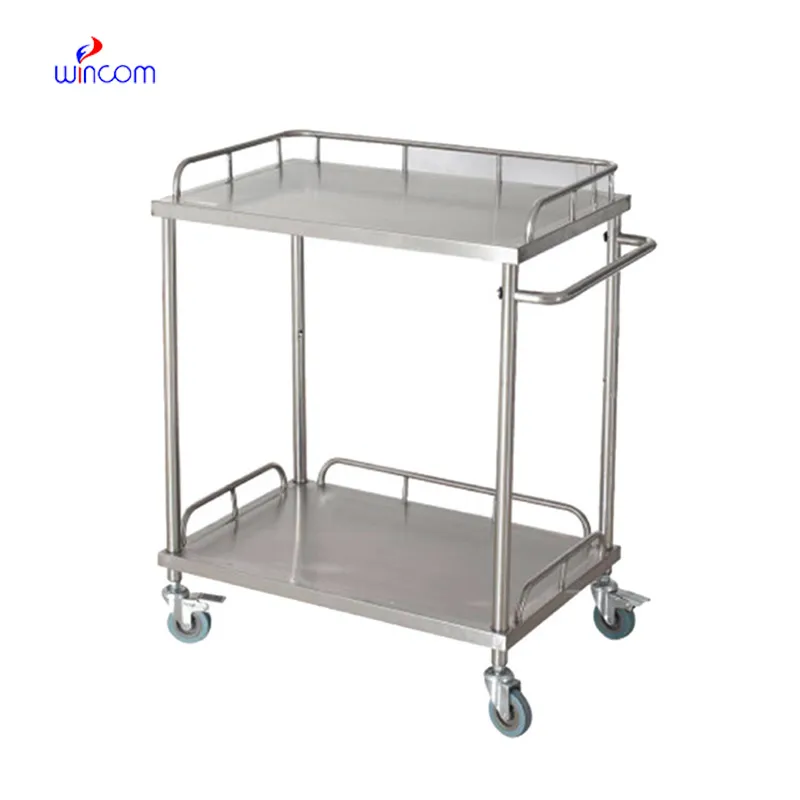
স্টেইনলেস স্টিলের তুলনায় প্লাস্টিক অনেক হালকা, তাই দ্রুত চলাচলের অনুমতি দেয় এবং কর্মীদের ন্যূনতম ক্লান্তি দেয়।
ছোট ক্লিনিক এবং শিক্ষার পরীক্ষাগারগুলি তাদের সাধ্যের কারণে প্লাস্টিকের ট্রলিগুলিকে স্বাগত জানায়, বিশেষ করে যখন ভারী-শুল্ক কর্মক্ষমতা প্রয়োজন হয় না।
কিছু প্লাস্টিক অনেক অ-ক্ষয়কারী পরিচ্ছন্নতার এজেন্ট থেকে রাসায়নিক ছড়ানো এবং দাগের বিরুদ্ধে প্রতিরোধী, তাই সংশ্লিষ্ট ক্ষেত্রে প্রযোজ্য।
প্লাস্টিকের ট্রলিগুলি বিভিন্ন রঙে, রঙ-কোডেড ওয়ার্কফ্লো বা এমনকি ব্র্যান্ড-নির্দিষ্ট ডিজাইনকে সমর্থন করার জন্য শৈলীতে উত্পাদিত হতে পারে।
আর্দ্র বা হালকা অবস্থায়, প্লাস্টিক যথেষ্ট টেকসই কিন্তু কম খরচে।
স্টেইনলেস স্টিলের সাথে, ক্ষতি এবং ক্ষয় প্রতিরোধ ক্ষমতা বেশি, যা উল্লেখযোগ্যভাবে দীর্ঘ পরিষেবা জীবন প্রদান করে। প্লাস্টিক আরও দ্রুত পরিধান করতে পারে, বিশেষ করে ক্রমাগত ভারী বোঝার অধীনে।
স্টেইনলেস স্টীল উচ্চ-তাপমাত্রা নির্বীজন এবং আক্রমণাত্মক জীবাণুনাশক সহ্য করে। প্লাস্টিকের সাধারণত ম্যানুয়াল পরিষ্কারের প্রয়োজন হয় এবং এটি চরম তাপ সহ্য করে না।
প্লাস্টিকের প্রবেশ মূল্য কম, যখন স্টেইনলেস স্টীল মেরামত এবং প্রতিস্থাপনের ফ্রিকোয়েন্সি হ্রাস করার মাধ্যমে শক্তিশালী দীর্ঘমেয়াদী মূল্য প্রদান করে।
প্লাস্টিকের ট্রলিগুলি হালকা এবং এইভাবে, ধাক্কা দেওয়া সহজ। স্টেইনলেস স্টিলের তৈরি মডেলগুলির শক্তি বেশি থাকে তবে চলাফেরার সময় আরও বেশি পরিশ্রমের প্রয়োজন হয়, বিশেষ করে যখন সম্পূর্ণ লোড হয়।
রপ্তানিকারকদের প্যাকেজিং, মালবাহী ওজন এবং লক্ষ্য অঞ্চলের পছন্দের উপকরণের মতো বিষয়গুলি বিবেচনা করতে হবে। কিছু বাজার চিকিৎসা সম্মতির জন্য স্টেইনলেস স্টিলের পক্ষে, অন্যরা বাজেট বা লজিস্টিক উদ্বেগের কারণে প্লাস্টিক পছন্দ করে।
যেসব সুবিধার জন্য অত্যন্ত চাহিদাপূর্ণ কাজ রয়েছে এবং উচ্চ স্তরের নির্বীজন প্রয়োজন সেগুলি স্টেইনলেস স্টিল ব্যবহার করে সবচেয়ে বেশি উপকৃত হতে পারে।
লোড হালকা এবং বাজেট সীমিত হলে প্লাস্টিক একটি ব্যবহারিক পছন্দ।
রপ্তানিকারকরা প্রায়শই সম্মতি বজায় রেখে মালবাহী খরচ কমাতে অপ্টিমাইজড প্যাকেজিংয়ের সাথে উপাদান পছন্দকে একত্রিত করে।
এটি ক্লায়েন্টের চাহিদা বুঝতে এবং কাজের চাপ, বাজেট এবং উদ্দেশ্যমূলক ব্যবহারের উপর ভিত্তি করে সঠিক উপাদানের সুপারিশ করতে সহায়তা করে।
ISO, CE, বা FDA সম্মতি মসৃণ আমদানি পদ্ধতির গ্যারান্টি দেয়, একই সাথে গ্রাহকের বিশ্বাসকে উত্সাহিত করে।
শক-শোষণকারী উপকরণ, আর্দ্রতা-প্রমাণ মোড়ানো, এবং চাঙ্গা ক্রেটের মতো বৈশিষ্ট্যগুলি ট্রানজিটের সময় পণ্যের অখণ্ডতা বজায় রাখতে সাহায্য করে।
স্টেইনলেস স্টীল এবং প্লাস্টিকের যন্ত্র ট্রলি উভয়ই স্পষ্ট সুবিধা উপস্থাপন করে এবং সর্বোত্তম বিকল্পটি ব্যবহারকারীর পরিবেশ, কাজের চাপ এবং নিয়ন্ত্রক চাহিদার উপর নির্ভর করে। রপ্তানিকারকদের বিভিন্ন বাজারের চাহিদা মেটাতে বিভিন্ন উপাদানের বিকল্পগুলি অফার করার থেকে অনেক কিছু লাভ করতে হবে। লোডের প্রয়োজনীয়তা, স্বাস্থ্যবিধি মান এবং দীর্ঘমেয়াদী মূল্য সম্পর্কিত সম্মতি প্রত্যাশা বিবেচনা করার পরে ক্রেতারা আত্মবিশ্বাসের সাথে সবচেয়ে উপযুক্ত সমাধান বেছে নিতে পারেন।
তারা উচ্চ-তাপমাত্রা জীবাণুমুক্তকরণ, জারা প্রতিরোধের প্রতিরোধ করে এবং ভারী চিকিৎসা সরঞ্জামকে ক্রমাগত সহায়তা প্রদান করে।
হ্যাঁ, তারা কম লোডের কাজ এবং হালকা সরঞ্জাম পরিবহনের জন্য ভালো, বিশেষ করে শিক্ষামূলক বা ছোট ল্যাবগুলিতে।
স্টেইনলেস স্টিলের একটি দীর্ঘ পরিষেবা জীবন এবং কম প্রতিস্থাপন হার রয়েছে, তাই দীর্ঘমেয়াদী মান ভাল দেয়।
স্টেইনলেস স্টীল সরঞ্জামের জন্য কমপ্লায়েন্স ডকুমেন্টেশনের উপর বিভিন্ন বাজারের বিভিন্ন চাহিদা রয়েছে; কিছু কম খরচের কারণে প্লাস্টিক আরও সহজে গ্রহণ করবে।
স্থিতিশীলতা এবং নিরাপত্তার জন্য ট্রলিটি স্টেইনলেস স্টীল দিয়ে তৈরি করা উচিত যাতে শক্তিশালী ফ্রেম এবং মেডিকেল-গ্রেড চাকা থাকে।
ই-মেইল: [email protected]
টেলিফোন: +86-731-84176622
+86-731-84136655
ঠিকানা: Rm.1507, Xinsancheng Plaza. নং 58, রেনমিন রোড(ই), চাংশা, হুনান, চীন


 EN
EN
 af
af
 es
es
 ar
ar
 tr
tr
 sw
sw
 pt
pt
 th
th
 ur
ur
 bn
bn
 ne
ne
 vi
vi
 km
km
 lo
lo
 de
de
 ru
ru
 fi
fi
 nl
nl
 fa
fa
 fr
fr
 ko
ko


