With contemporary health care in consideration, the Chair Bed combines smart features with a design that is ergonomic. It usually includes a caregiver control panel and side buttons that are patient-use. The bed height, backrest, and leg segments are adjustable based on the specific medical procedure. The Chair Bed may include folding side rails, oxygen holder slots, and IV pole connections. Its intended design is patient safety, long-term durability, and ease to sanitize in a healthcare environment.
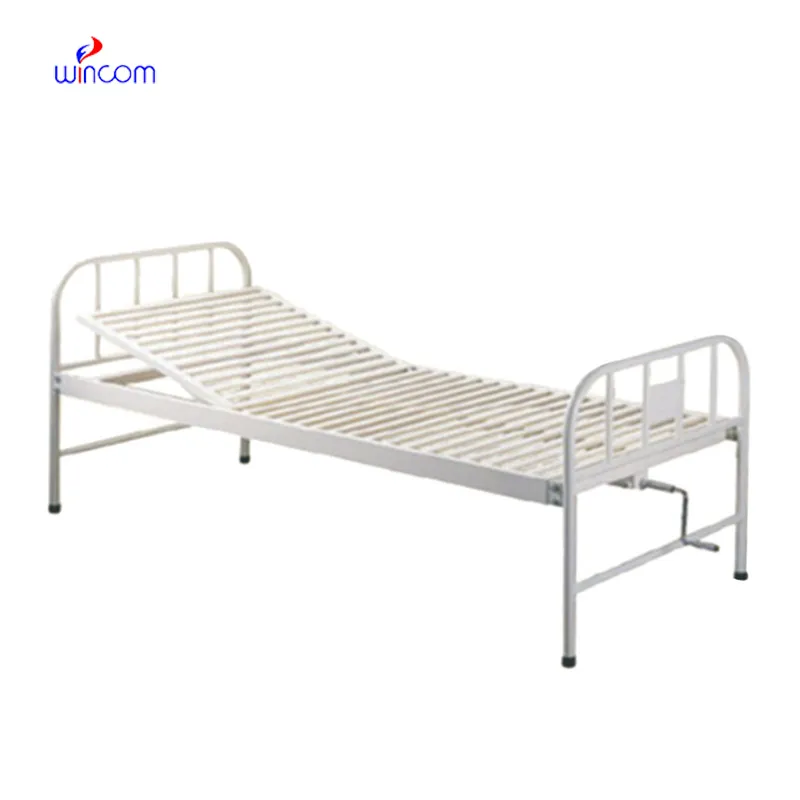
The Chair Bed is used in healthcare environments to allow easy patient comfort and safety during medical procedures. It is essential in surgical recovery as well as postoperative care, where body stability is paramount. The Chair Bed allows easy repositioning of patients by attendants, hence preventing complications. The Chair Bed is also used within nursing homes, rehabilitation centers, and private residences. Its configuration allows it to be suitable for patients in need of extended support and continuous medical intervention.
The future Chair Bed will integrate robotics and AI to transform patient care. Beds will possess self-adjusting features that respond to patient movement, improving comfort and circulation. The Chair Bed can also possess self-cleaning surfaces and antimicrobial materials for improved hygiene. With integration into digital hospital systems, it will provide real-time data analytics, enabling staff to predict and prevent complications. These features will enhance both efficiency and patient outcomes.

The longevity of the Chair Bed depends on constant care and preventive maintenance. Periodic visual inspection shows damage, rust, or wear beforehand. Electrical parts require inspection for free adjustment and even power output. The Chair Bed must be sanitized between patient use for hygiene. Safety rails and wheel locks require regular checks for usability. Proper storage and routine maintenance can significantly improve longevity and reliability.
The Chair Bed is an integral part of modern healthcare, having adjustable care for patients with varying medical needs. It has adjustable features making recovery easy and nursing activities convenient. Lockable wheels, safety rails, and easy-to-clean surfaces are attributes of the Chair Bed to provide hygiene and stability support. Designed for patient health as well as caregiver efficiency, the Chair Bed ensures quality provision of healthcare in hospitals, rehabilitation facilities, and long-term care institutions.
Q: What is the main purpose of a hospital bed? A: The hospital bed is designed to support patients who require comfort, medical assistance, or long-term rest during treatment or recovery. Q: Can hospital beds be used in home care? A: Yes, hospital beds are often used at home by patients who require adjustable support and safety features similar to those found in a hospital setting. Q: How often should a hospital bed be inspected? A: Regular inspections ensure that all mechanical, electrical, and safety components are functioning correctly. Q: How do hospital beds assist healthcare staff? A: Adjustable height and positioning features reduce caregiver physical strain, increasing efficiency and safety when handling patients. Q: What features make a hospital bed practical? A: Features like adjustable sections, easy cleaning, and mobility make hospital beds practical for various clinical and home care uses.
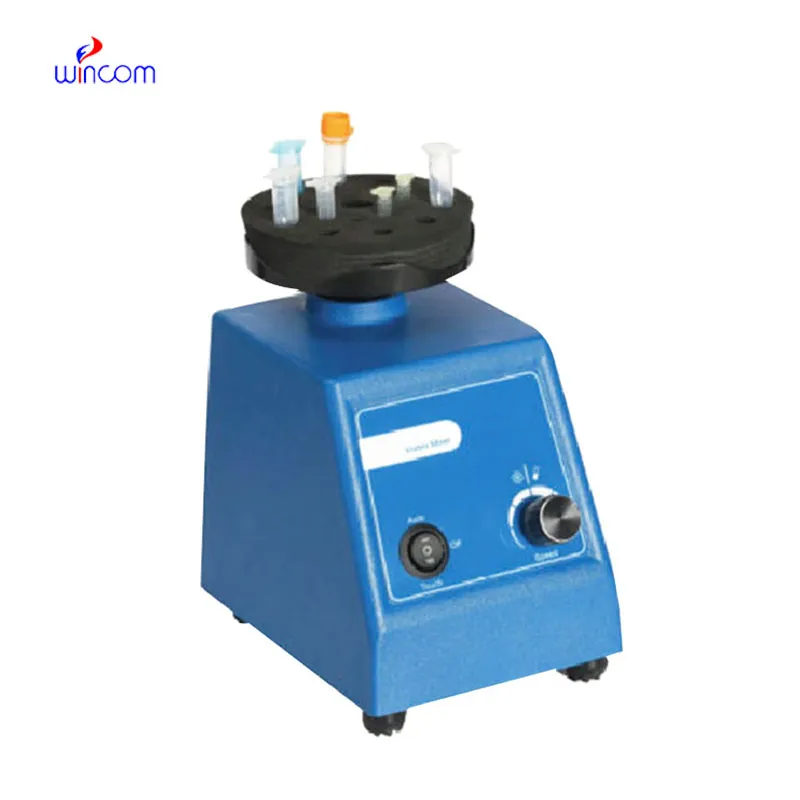
The centrifuge operates quietly and efficiently. It’s compact but surprisingly powerful, making it perfect for daily lab use.
We’ve been using this mri machine for several months, and the image clarity is excellent. It’s reliable and easy for our team to operate.
To protect the privacy of our buyers, only public service email domains like Gmail, Yahoo, and MSN will be displayed. Additionally, only a limited portion of the inquiry content will be shown.
I’m looking to purchase several microscopes for a research lab. Please let me know the price list ...
I’d like to inquire about your x-ray machine models. Could you provide the technical datasheet, wa...
E-mail: [email protected]
Tel: +86-731-84176622
+86-731-84136655
Address: Rm.1507,Xinsancheng Plaza. No.58, Renmin Road(E),Changsha,Hunan,China


 EN
EN
 af
af
 es
es
 ar
ar
 tr
tr
 sw
sw
 pt
pt
 th
th
 ur
ur
 bn
bn
 ne
ne
 vi
vi
 km
km
 lo
lo
 de
de
 ru
ru
 fi
fi
 nl
nl
 fa
fa
 fr
fr
 ko
ko