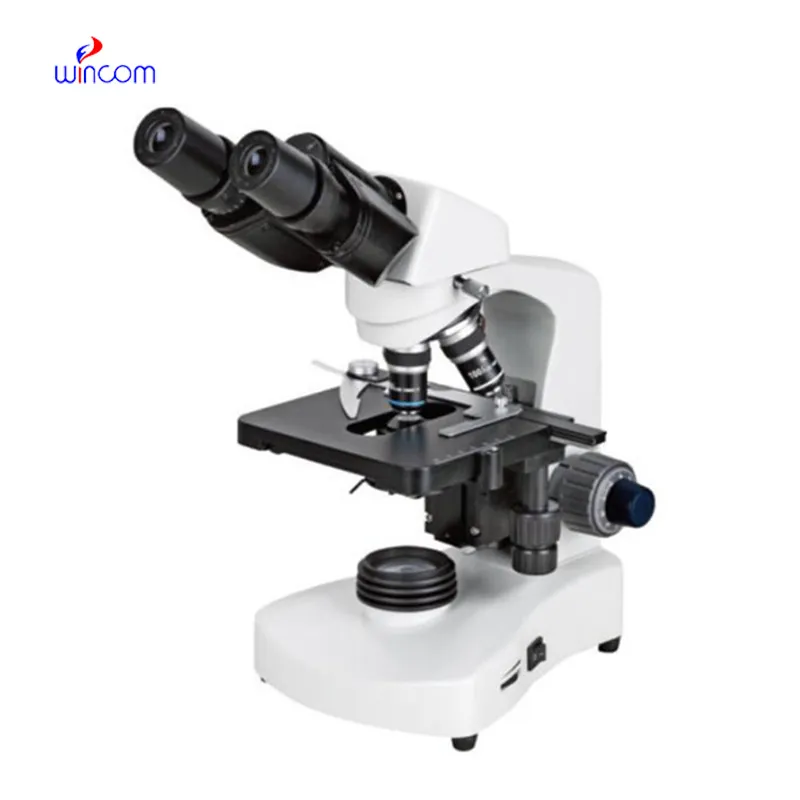
anesthesia machines is capable of perfecting the anesthetic gas mixtures and at the same time providing mechanical ventilation for the patients during the surgical process. Its monitoring systems keep a check on the various vital parameters like oxygen saturation, airway pressure, and tidal volume. This device is widely in use in hospitals and clinical laboratories for the exact purpose of keeping sedation and respiratory function under control. The collaboration of alarm systems, flow controls that can be modified, and a real-time display permits anesthesiologists to react without delay to physiological changes. anesthesia machines offers safe and effective anesthesia delivery which is why it is considered a must-have in operating rooms, emergency care units, and research places.
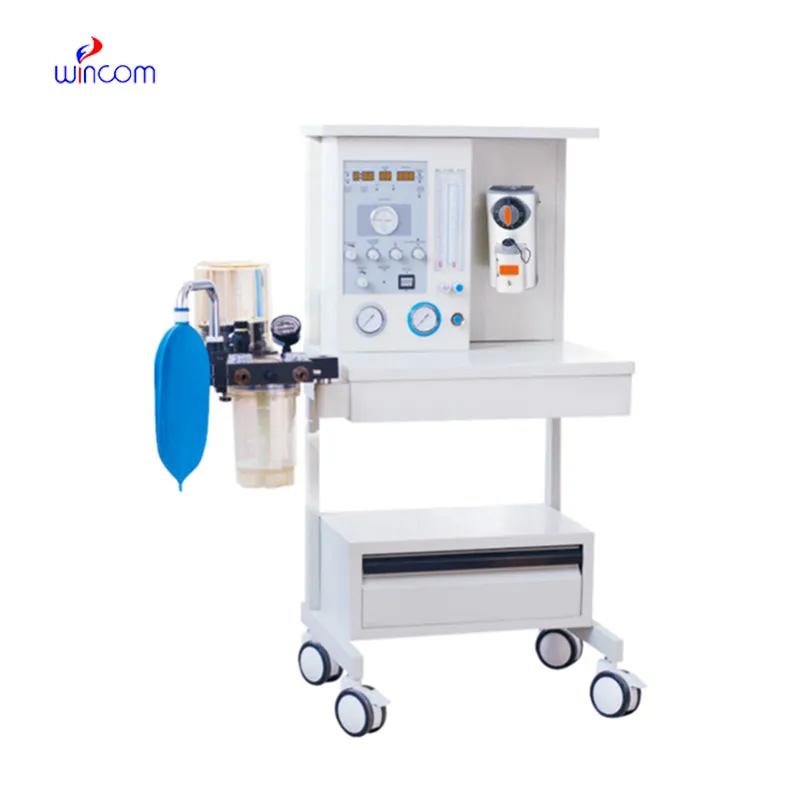
In medical research done in the laboratory, anesthesia machines is utilized for keeping anesthesia under control during experimental procedures. The researchers apply the instrument for the purpose of keeping steady respiratory conditions and thereby studying physiological reactions. The anesthetic's delivery exactness is determined to be the basis for the experiments' reproducibility and safety. The capability of the device to monitor helps to observe the respiratory and oxygen variables during the entire course of the experiment. This specific use exemplifies the importance of anesthesia machines in assisting clinical trials and laboratory studies in the realm of medicine.
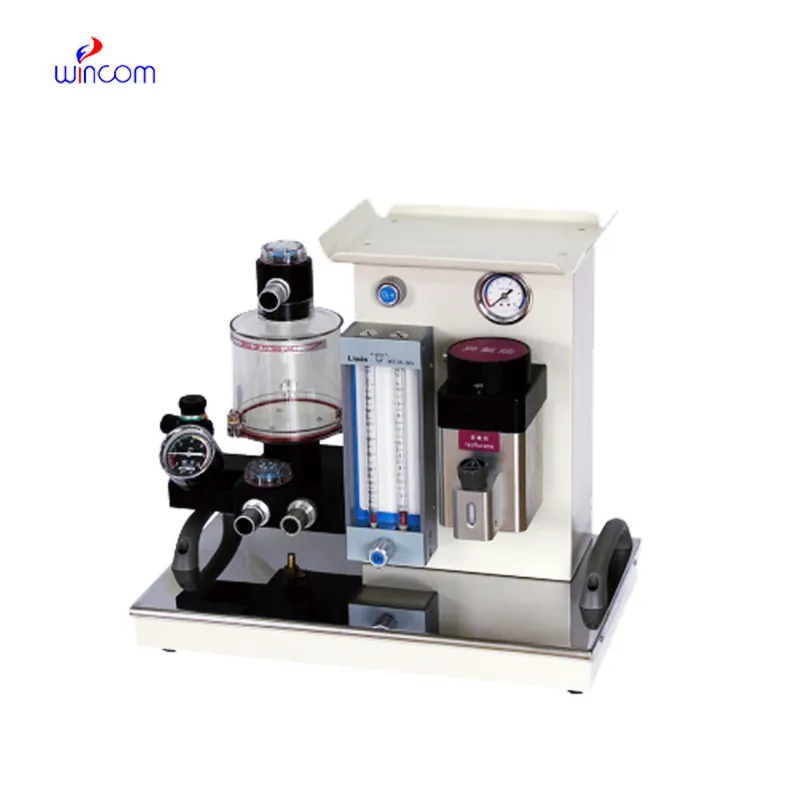
As a result of developments in laboratory and research environments, the future of anesthesia machines might consist of more precise experimental anesthesia protocols. Control systems that are more advanced could enable the researchers to keep the very stable environments for a long-term study. The data recording and analysis could become very complex, thus supporting the research accuracy. The above-mentioned advances would demonstrate the increasing importance of anesthesia machines not only in the clinical surgery but also in medical science and experimental research areas by making it more relevant.
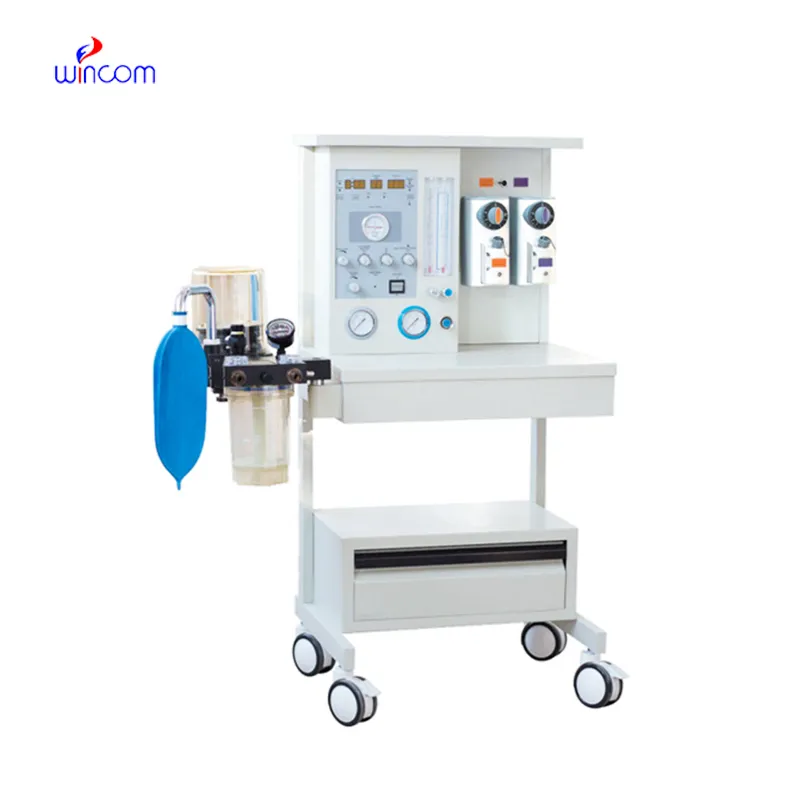
It is vital to have a long-term maintenance plan for controlling anesthesia machines in the various hospital departments. The schedules of preventive maintenance allow for predicting replacement of the components even before their performance drops. The alliance between the clinicians and the technicians guarantees that service is provided at the right time. This systematic method enables uninterrupted use of anesthesia machines. Through the preventive maintenance approach, the hospitals are always ready to operate and, at the same time, they are taking care of their investment in the medical devices that are most critical.
Hospital intensive care units make use of anesthesia machines for sedation and ventilation support in critically ill patients. The instrument guarantees the patient's safety during the surgical interventions because it is capable of delivering precise anesthetics and monitoring the patient's respiration at the same time. It has alarm systems and customizable settings that enable quick reaction to changes in the body's functions. By ensuring dependable anesthesia and ventilation support, anesthesia machines becomes a crucial factor in the provision of safe and high-quality patient care in the areas of surgery and critical care labs.
Q: What is the main function of an anesthesia machine? A: Controlled anesthetic gases are delivered and the patient is ventilated during medical procedures. Q: Where is the anesthesia machine frequently used? A: Hospitals mainly use it in their operating rooms, emergency units, and intensive care departments. Q: Who operates the anesthesia machine during surgery? A: Trained anesthesiologists or anesthesia technicians are responsible for operating the device. Q: Can the anesthesia machine assist the breathing of a patient? A: Yes, by providing mechanical ventilation support when spontaneous breathing is insufficient. Q: Does the device monitor respiratory parameters? A: It monitors airflow, pressure and oxygen concentration all through the delivery.
This ultrasound scanner has truly improved our workflow. The image resolution and portability make it a great addition to our clinic.
The microscope delivers incredibly sharp images and precise focusing. It’s perfect for both professional lab work and educational use.
To protect the privacy of our buyers, only public service email domains like Gmail, Yahoo, and MSN will be displayed. Additionally, only a limited portion of the inquiry content will be shown.
I’m looking to purchase several microscopes for a research lab. Please let me know the price list ...
Could you please provide more information about your microscope range? I’d like to know the magnif...
E-mail: [email protected]
Tel: +86-731-84176622
+86-731-84136655
Address: Rm.1507,Xinsancheng Plaza. No.58, Renmin Road(E),Changsha,Hunan,China


 EN
EN
 af
af
 es
es
 ar
ar
 tr
tr
 sw
sw
 pt
pt
 th
th
 ur
ur
 bn
bn
 ne
ne
 vi
vi
 km
km
 lo
lo
 de
de
 ru
ru
 fi
fi
 nl
nl
 fa
fa
 fr
fr
 ko
ko