blood collection tube are the most important parts of the process in a hospital and clinical laboratory, which are primarily used to offer safe and controlled blood collection. Each tube is capable of preserving the chemical as well as the cellular composition of the sample for accurate tests. The additives are made suitable for different types of tests like hematology, chemistry, or coagulation assays. The color-coded caps and the volume markings are very helpful for the laboratory staff to easily identify and handle the materials correctly. In the case of working with centrifuges, analyzers, and barcode systems, blood collection tube play a major role in accelerating hospital workflows. Their trustworthy structure guarantees that blood samples are free from any contamination and can be traced, thus providing support for regular diagnostic results and smooth laboratory operations.

blood collection tube are the standard in critical care for the collection of blood for essential monitoring, namely, arterial blood gases, electrolyte analysis, and coagulation studies. Rapid and precise collection is vital in the treatment decision-making process for patients who are critically ill. The vacuum-based collection method reduces the risks of handling and at the same time keeps the sample intact while being transferred to the laboratory analyzers. Correct tube selection for each test type is guaranteed by color coding. The use of blood collection tube in the ICU workflow not only allows the hospitals to carry out a continuous and high-quality monitoring process but also helps in minimizing errors and supporting life-saving clinical interventions for the patients who have complicated medical conditions.
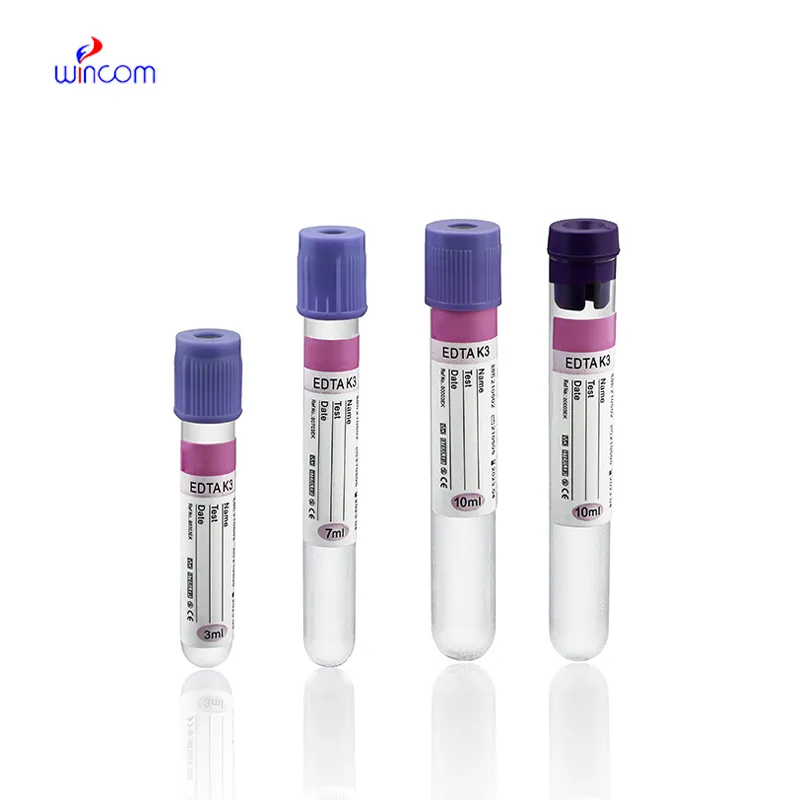
The upcoming blood collection tube generation might emphasize the reduction of sample volumes accompanied by high accuracy, especially in the case of testing newborns and infants, at the same time. Less blood from the patient will imply less discomfort, and hospitals will be able to conduct several tests simultaneously. The tubes could be equipped with improved chemical stabilization that would allow their longer storage and transport without compromising the quality of the results. The use of laboratory information systems and automated analyzers will be combined which will result in the workflows being optimized, errors being reduced, and high-throughput testing being supported. The future blood collection tube will probably be the ones that ensure ergonomic, eco-friendly, and tech-savvy design, which will hold up to the changing demands of both the clinical settings and research.

The care procedures for blood collection tube focus on hygiene and expert handling of the samples in clinical environments. To avoid contamination, tubes must be taken out of their packaging only at the time of use. The laboratory personnel should ensure that the boxes containing the tubes are not subjected to the weight of heavy objects on top to avoid deformation. Areas for storage need to be controlled so that there is no excessive vibration or humidity. Staff in the hospital are trained to check the tubes by looking for cracks, color changes, or broken seals before the tubes are used. Following these methods aids the process of keeping samples unaltered and, consequently also lab analysis being accurate in the different hospital departments.
blood collection tube enhance clinical diagnostic accuracy by keeping the samples intact throughout the journey from the collection places to the main labs. Their sterile and sealed structure significantly reduces the possibility of contamination and also avoids the spilling of the contents. Specially designed tubes with specific additives for tests necessitating plasma, serum, or whole blood are frequently used in hospitals and research labs. Laboratory workers rely on blood collection tube for consistent results in biochemical assays, immunoassays, and genetic testing. Besides, the tubes’ compatibility with current lab instruments guarantees fast sample processing, which cuts delays and allows to support quality patient care.
Q: What is the role of vacuum technology in Blood Collection Tubes? A: Enabling a gentle but efficient controlled access to collect blood. Q: Is it possible that Blood Collection Tubes may affect the findings of the results in the laboratory? A: The introduction of Blood Collection Tubes negates some opportunities for sample integrity that supports laboratory results, assuming the correct tube usage. Q: Are Blood Collection Tubes suitable for long-distance transportation? A: They are indeed, with proper handling, storage, and keeping the sample integrity intact during transportation. Q: What steps does the laboratory follow to limit the occurrences of errors related to Blood Collection Tubes? A: Such measures would involve a checklist for collecting blood tubes, separate place for test tubes, all needles, and components (color-coded), shade for answered tubes with samples that are white for identification, identifying sample containers, reordering tube trays, discard policies, labeling, color codes, or sample. Q: What is required for Blood Tube manufacturing? A: The production process must comply with the rules and regulations applicable to medical devices and diagnostics?
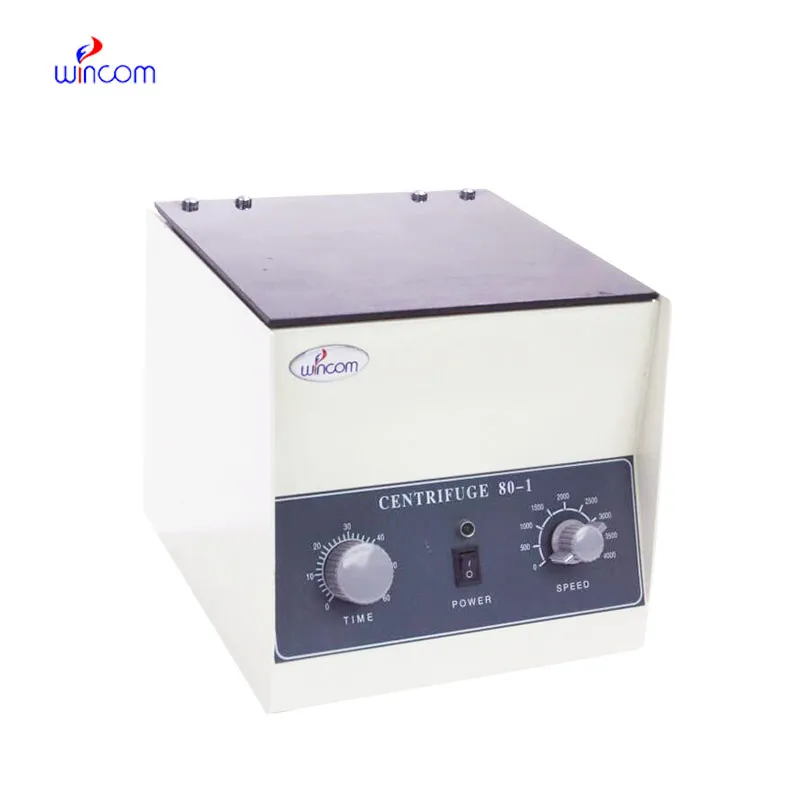
We’ve used this centrifuge for several months now, and it has performed consistently well. The speed control and balance are excellent.
This x-ray machine is reliable and easy to operate. Our technicians appreciate how quickly it processes scans, saving valuable time during busy patient hours.
To protect the privacy of our buyers, only public service email domains like Gmail, Yahoo, and MSN will be displayed. Additionally, only a limited portion of the inquiry content will be shown.
Hello, I’m interested in your water bath for laboratory applications. Can you confirm the temperat...
We’re looking for a reliable centrifuge for clinical testing. Can you share the technical specific...
E-mail: [email protected]
Tel: +86-731-84176622
+86-731-84136655
Address: Rm.1507,Xinsancheng Plaza. No.58, Renmin Road(E),Changsha,Hunan,China


 EN
EN
 af
af
 es
es
 ar
ar
 tr
tr
 sw
sw
 pt
pt
 th
th
 ur
ur
 bn
bn
 ne
ne
 vi
vi
 km
km
 lo
lo
 de
de
 ru
ru
 fi
fi
 nl
nl
 fa
fa
 fr
fr
 ko
ko