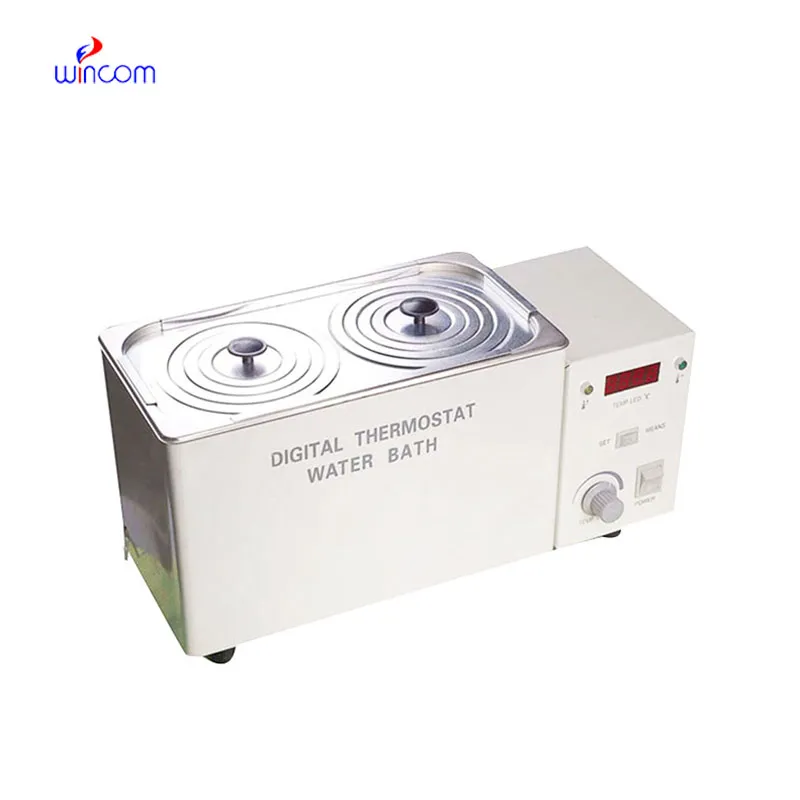
Designed to supply uniform and accurate heating, the laboratory apparatus water bath is noted for its rugged build and simple controls. Temperature is variable in small steps and maintained constant through a sophisticated microprocessor-operated system. The stainless-steel enclosure resists corrosion and distributes heat evenly. The laboratory apparatus water bath is equipped with automatic temperature recovery and low-water protection for added security. With its sleek exterior, noiseless running, and power conservation, it fits into any laboratory setup. The laboratory apparatus water bath makes certain that there is consistent performance during critical experimental procedures.
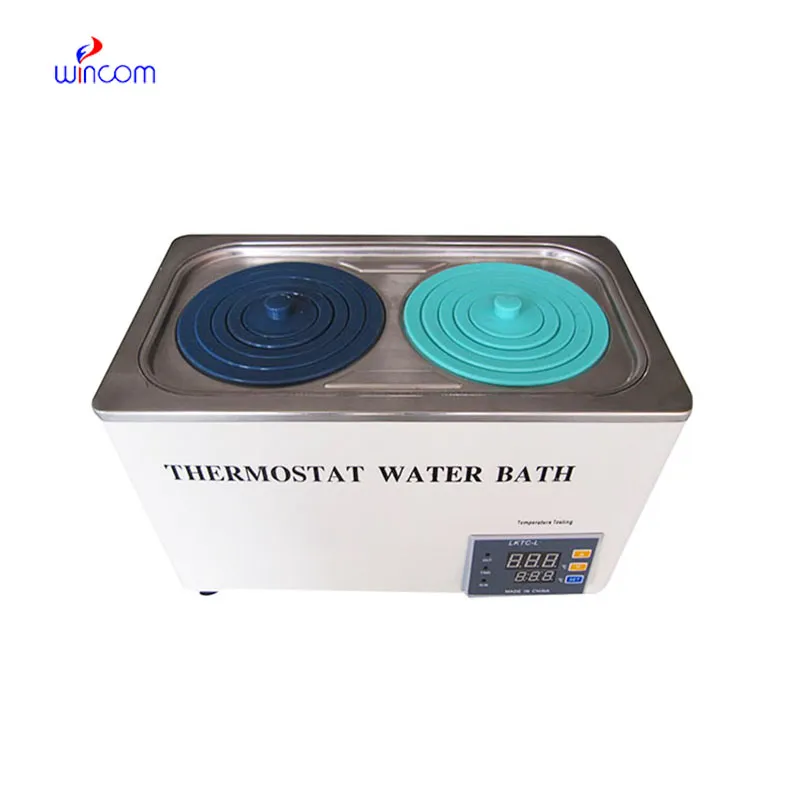
The laboratory apparatus water bath is a valuable resource of laboratories in biology, chemistry, and clinical research. The laboratory apparatus water bath is most commonly used for warming cultures, pre-warming reagents, softening substrates, and adjusting sample temperatures. In microbiology, the laboratory apparatus water bath is applied to grow bacterial cultures at controlled temperatures. In chemistry laboratory facilities, it is applied to reaction kinetics and digestion reactions of samples. Pharmaceutical facilities utilize the laboratory apparatus water bath for product testing and stability tests. Its precise temperature control yields consistent results, supporting research and quality control procedures.
New technologies are shaping the future of the laboratory apparatus water bath, making them faster, smarter, and greener. Advanced temperature mapping will enhance consistency, while AI-powered analytics will maximize performance based on experimental data. Lab management software compatibility will enable remote control and automatic reporting. The laboratory apparatus water bath will also be built to utilize recyclable materials and energy-saving features. All these new features will make it an integral part of laboratories which need precision, efficiency, and reduced environmental impact.

Maintenance of laboratory apparatus water bath involves periodic cleaning and inspection cycles. Unplug the device and let it cool down completely. Clean the interior using non-abrasive cleaning materials to prevent scratching. Use deionized water to limit mineral deposition and maximize heating efficiency. Check for rust or deposition on metal components. Ensure the temperature sensor is covered up to the hilt in use. Regular maintenance prevents the laboratory apparatus water bath from delivering optimal performance and shortening the lifespan of its heater elements.
The laboratory apparatus water bath is a device that is normally applied to heat samples gradually and uniformly under temperature regulation. The instrument is an essential part of laboratories for offering stable thermal conditions for reactions, culture media preparation, and activation of enzymes. Water circulating within the laboratory apparatus water bath facilitates the transfer of heat uniformly to prevent overheating. Most models come with digital readouts to allow for precise temperature measurement and simple adjustment. The laboratory apparatus water bath can accommodate a broad scope of scientific uses where precise control of temperature improves experimental accuracy and replicability.
Q: What is the primary function of a water bath in the laboratory? A: A water bath is used to maintain samples at a constant temperature for extended periods, providing stable heating conditions for experiments and reactions. Q: Why is distilled water recommended for use in a water bath? A: Distilled water is preferred because it prevents mineral buildup, reduces corrosion, and helps extend the lifespan of the equipment. Q: How often should the water in a water bath be replaced? A:When contamination or visible residue occurs, it should be replaced at least once a week or more frequently to ensure cleanliness and accurate heating performance. Q: What safety measures should be taken when operating a water bath? A: Users should avoid overfilling, keep electrical components dry, and regularly check temperature controls to prevent overheating or short circuits. Q: Can a water bath be used for heating flammable liquids? A: No, flammable liquids should never be heated in a water bath, as vapors can ignite when exposed to heat or electrical sparks.
I’ve used several microscopes before, but this one stands out for its sturdy design and smooth magnification control.
We’ve been using this mri machine for several months, and the image clarity is excellent. It’s reliable and easy for our team to operate.
To protect the privacy of our buyers, only public service email domains like Gmail, Yahoo, and MSN will be displayed. Additionally, only a limited portion of the inquiry content will be shown.
Could you please provide more information about your microscope range? I’d like to know the magnif...
Hello, I’m interested in your centrifuge models for laboratory use. Could you please send me more ...
E-mail: [email protected]
Tel: +86-731-84176622
+86-731-84136655
Address: Rm.1507,Xinsancheng Plaza. No.58, Renmin Road(E),Changsha,Hunan,China


 EN
 af
 es
 ar
 tr
 sw
 pt
 th
 ur
 bn
 ne
 vi
 km
 lo
 de
 ru
 fi
 nl
 fa
 fr
 ko