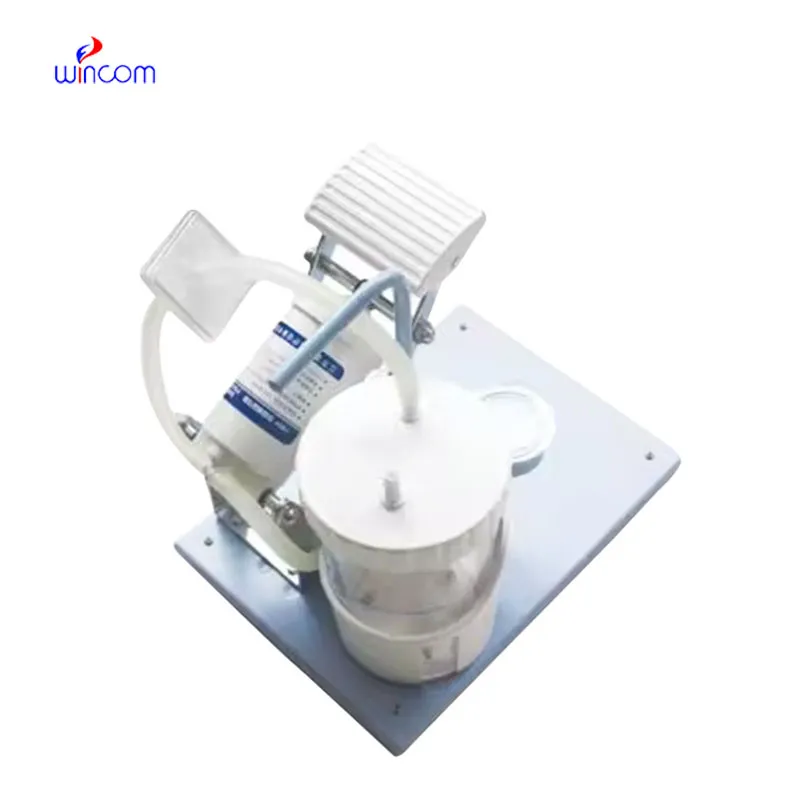
The low temperature circulating water bath delivers precise temperature control and proper heating performance for laboratory use. Its construction is supported by high-quality materials that guarantee both durability and hygiene. The temperature of the water is constant through automated control and constant monitoring. The low temperature circulating water bath also has a basic, plot digital display for accurate readings and quick adjustments. Overheating is prevented through safety features while sensitive samples are protected. Easy to operate and maintain, the low temperature circulating water bath offers quality heating performance for reagent preparation, sample incubation, and analytical research purposes.
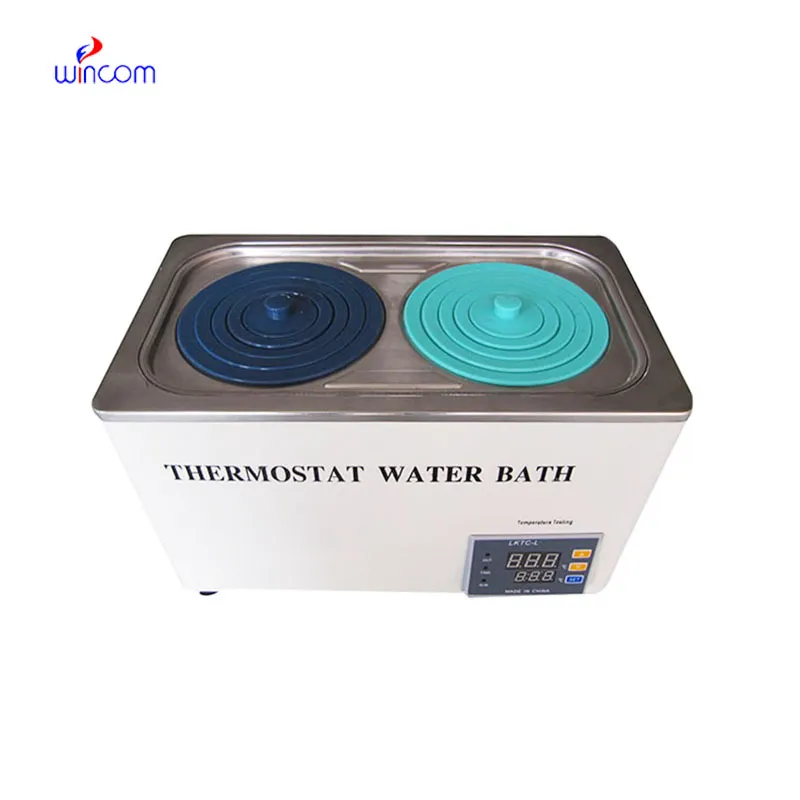
The low temperature circulating water bath provides wide usage of laboratory and test protocols through the maintenance of constant temperatures. It is used in sample incubation, coagulation testing, and research on enzymes. In physical and chemical tests, the low temperature circulating water bath is utilized to keep products at stable temperatures during tests for viscosity or density. The low temperature circulating water bath is further used in food, cosmetic, and pharmaceutical quality testing. The accuracy and stability of the low temperature circulating water bath ensure consistent results, making it an integral component of laboratory operations on a daily basis.
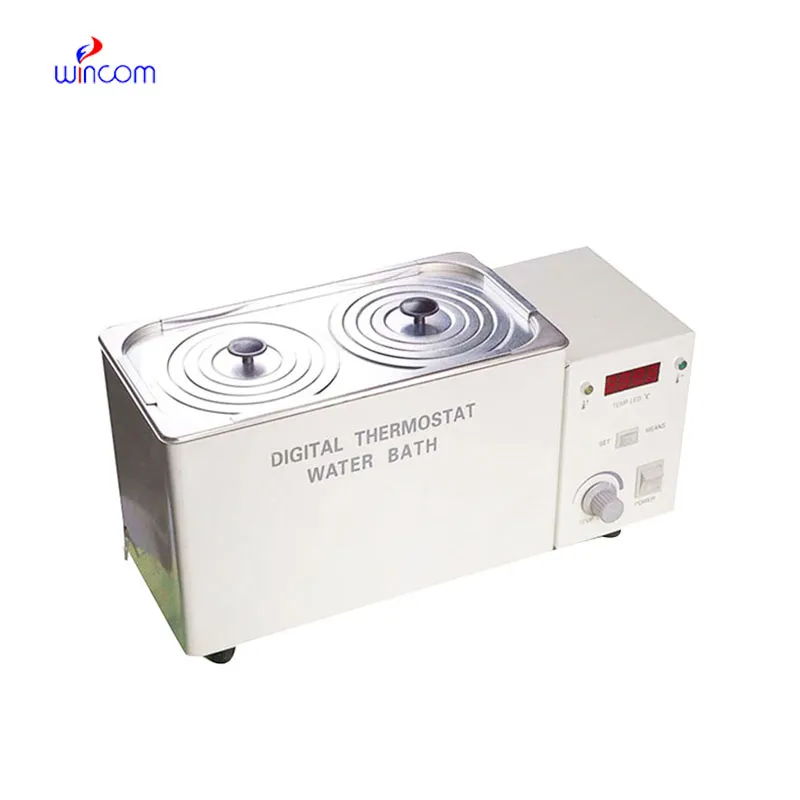
The future for the low temperature circulating water bath is more precision and more automation. Future models will incorporate improved digital control systems through the advancement in sensor technology, providing even more precise temperature performance. The low temperature circulating water bath will be integrated into smart laboratory networks to permit remote monitoring and data logging through cloud-based systems. The low temperature circulating water bath will also include eco-friendly materials and energy-saving heating systems. Though labs themselves are rapidly becoming more advanced, the future generation of the low temperature circulating water bath will emphasize flexibility, end-user safety, and integration transparency with current research pipelines.
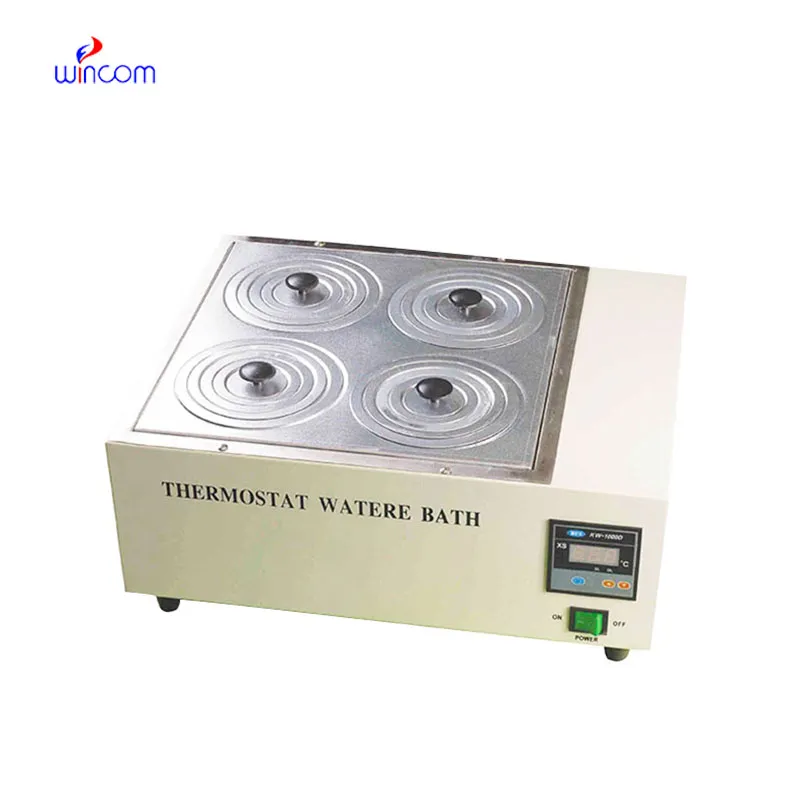
Maintenance of the low temperature circulating water bath on regular basis is a requirement for good performance in temperature and longevity. Scaling and corrosion in the chamber are avoided by regular cleaning. It's best to replace the water after every other day, especially for continuous use. At the intervals, the heating elements and thermostat should be inspected for breakdown or wear. Use gentle cloths and mild soaps to avoid scratching the surface. In normal servicing, the low temperature circulating water bath remains functional and continues to meet laboratory standards year by year.
The low temperature circulating water bath is a must-have equipment in modern labs for being able to provide consistent temperature conditions. It simply heats water to a certain degree, allowing samples to be kept at consistent warmth when incubating or analyzing them. The low temperature circulating water bath can minimize temperature fluctuations that could affect experimental results. The majority of the models incorporate digital controllers and safety alarms that assist in preventing overheating. Its simplicity in design renders the low temperature circulating water bath universally usable in a wide range of laboratory applications.
Q: What is the primary function of a water bath in the laboratory? A: A water bath is used to maintain samples at a constant temperature for extended periods, providing stable heating conditions for experiments and reactions. Q: Why is distilled water recommended for use in a water bath? A: Distilled water is preferred because it prevents mineral buildup, reduces corrosion, and helps extend the lifespan of the equipment. Q: How often should the water in a water bath be replaced? A:When contamination or visible residue occurs, it should be replaced at least once a week or more frequently to ensure cleanliness and accurate heating performance. Q: What safety measures should be taken when operating a water bath? A: Users should avoid overfilling, keep electrical components dry, and regularly check temperature controls to prevent overheating or short circuits. Q: Can a water bath be used for heating flammable liquids? A: No, flammable liquids should never be heated in a water bath, as vapors can ignite when exposed to heat or electrical sparks.
We’ve been using this mri machine for several months, and the image clarity is excellent. It’s reliable and easy for our team to operate.
The centrifuge operates quietly and efficiently. It’s compact but surprisingly powerful, making it perfect for daily lab use.
To protect the privacy of our buyers, only public service email domains like Gmail, Yahoo, and MSN will be displayed. Additionally, only a limited portion of the inquiry content will be shown.
We’re currently sourcing an ultrasound scanner for hospital use. Please send product specification...
Could you please provide more information about your microscope range? I’d like to know the magnif...
E-mail: [email protected]
Tel: +86-731-84176622
+86-731-84136655
Address: Rm.1507,Xinsancheng Plaza. No.58, Renmin Road(E),Changsha,Hunan,China


 EN
EN
 af
af
 es
es
 ar
ar
 tr
tr
 sw
sw
 pt
pt
 th
th
 ur
ur
 bn
bn
 ne
ne
 vi
vi
 km
km
 lo
lo
 de
de
 ru
ru
 fi
fi
 nl
nl
 fa
fa
 fr
fr
 ko
ko