In hospitals and medical research facilities, prp blood collection tubes have become a global standard for blood sampling and transport. The production of the tubes takes place under very stringent quality controls which guarantee sterility and chemical uniformity. They are employed by hospitals for a variety of diagnostic tests, such as screening for infectious diseases, performing hormone panels and routine blood counts. Their pre-filled additives allow for the prevention of clotting or degradation of components, thus maintaining the integrity of each sample. The communication with laboratory machines like centrifuges and analyzers makes the workflow smoother. The use of prp blood collection tubes in different medical areas not only minimizes the chances of mistakes but also improves the safety of patients and ultimately leads to the provision of accurate test results in both hospital and research environments.
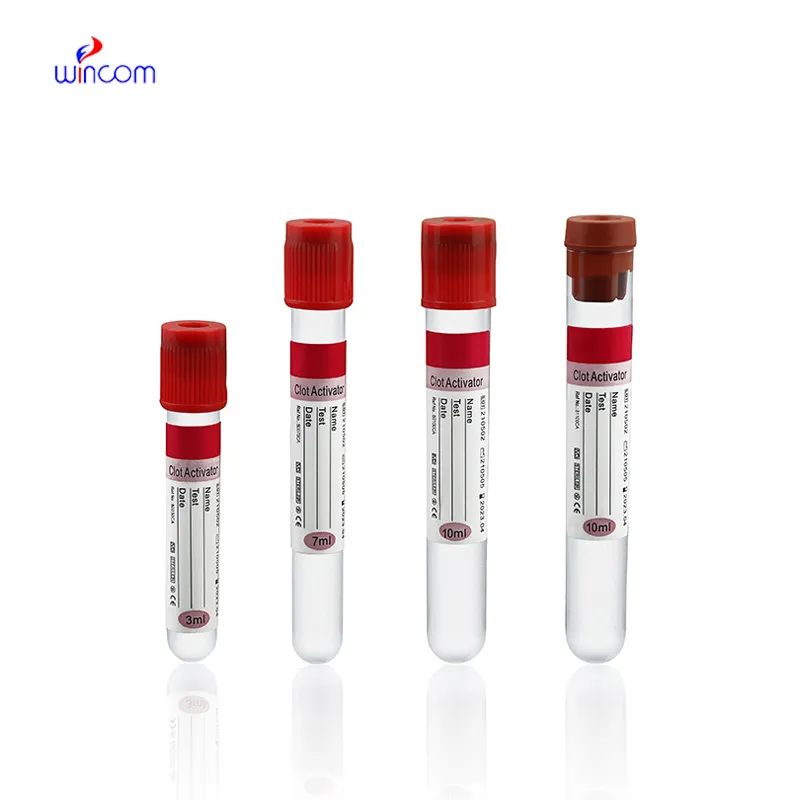
prp blood collection tubes are utilized in clinical chemistry laboratories for the automated testing of metabolic, enzymatic, and hormonal markers. The use of pre-filled additives like clot activators or anticoagulants help in maintaining the quality of the sample so that it can be analyzed with precision. Moreover, the tubes have compatibility with high-throughput centrifuges and analyzers, which results in the optimization of laboratory operations. The proper labeling and color-coding practices not only enhance traceability but also minimize pre-analytical errors. The use of prp blood collection tubes by laboratories will enable them to obtain reliable and reproducible results over different assays, thereby assisting in diagnosis, treatment planning and patient monitoring in both hospital and research settings with a high degree of accuracy.
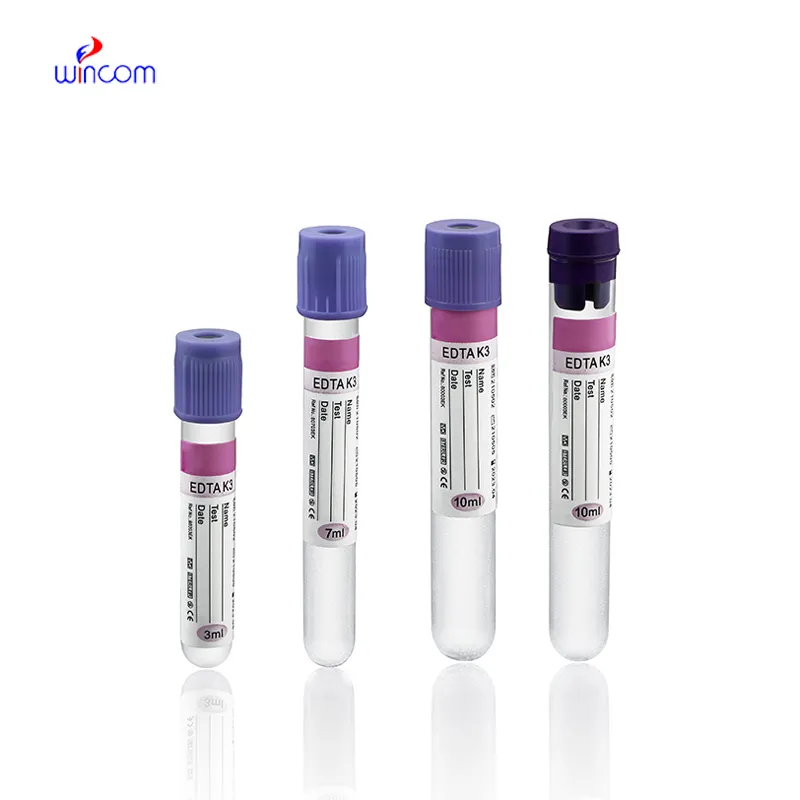
Future designs of prp blood collection tubes might be with nanomaterial coatings or additives that keep blood components for a longer time under different storage conditions. Hospitals might get the advantage of tubes that keep cells alive, plasma stable, and analyte unchanged over a longer period. It would be possible for central laboratories to process samples from several collection places at the same time without losing quality. Digital monitoring plus automated handling systems will dramatically improve the efficiency of the workflow. These breakthroughs will make prp blood collection tubes very necessary for places dealing with many diagnostics daily, research hospitals, and clinics that need both precision and efficiency.
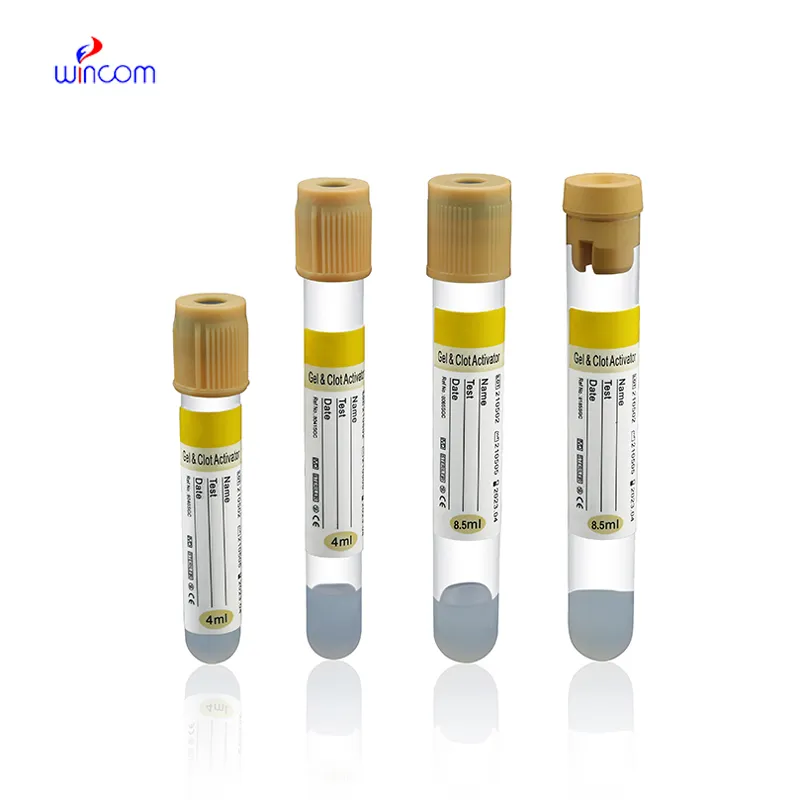
The proper handling of prp blood collection tubes starts by storing them under the right conditions before usage. To maintain the stability of the additives, the tubes should be stored in a clean and dry place, away from direct sunlight and high or low temperatures. Hospitals and laboratories are required to strictly adhere to the manufacturer's recommendations concerning shelf life and storage orientation. A constant check on the integrity of the packaging is a good practice that minimizes the contamination risk. Staff should see to it that they only touch tube openings and caps when absolutely necessary during the daily use. Proper organizing of storage and stock rotation according to expiry dates will guarantee that the quality of the blood collected in clinical and laboratory settings will be no different from that of the previous one.
Automated laboratory in hospitals heavily depend on prp blood collection tubes that are suitable for centrifuges, analyzers and barcode scanning systems. The process of automation demands the use of tubes that have uniform volume and stable chemical properties. In hectic clinical labs, these tubes help in processing the samples quickly by cutting down the number of hands that handle the sample and keeping the contamination risks low. Information systems in the laboratory can monitor every prp blood collection tubes for the patient's name and testing history. The commonality in the use of the tubes enables hospitals to provide high-volume testing with accurate results in hematology, biochemistry and immunology domains that, in turn, facilitates the management of the workflow and the attainment of the reliable diagnostic outcomes.
Q: What is the purpose of Blood Collection Tubes in emergency departments? A: The main function is to facilitate quick and secure blood collection for urgent diagnostic tests. Q: Are Blood Collection Tubes suitable for infants and children? A: Absolutely, there are specialized smaller-volume tubes for both pediatric and neonate applications. Q: What is the procedure when a Blood Collection Tube gets broken? A: The broken tubes cannot be used and should be disposed of per the hospital's rules. Q: Will Blood Collection Tubes leak if there is an accident? A: Leakage during handling and transport is minimized through the secure caps that are designed for these tubes. Q: What methods do hospitals use for tracking Blood Collection Tubes? A: A number of hospitals are using either labeling or barcode systems for sample identification and traceability.
We’ve been using this mri machine for several months, and the image clarity is excellent. It’s reliable and easy for our team to operate.
This x-ray machine is reliable and easy to operate. Our technicians appreciate how quickly it processes scans, saving valuable time during busy patient hours.
To protect the privacy of our buyers, only public service email domains like Gmail, Yahoo, and MSN will be displayed. Additionally, only a limited portion of the inquiry content will be shown.
We’re interested in your delivery bed for our maternity department. Please send detailed specifica...
Could you share the specifications and price for your hospital bed models? We’re looking for adjus...
E-mail: [email protected]
Tel: +86-731-84176622
+86-731-84136655
Address: Rm.1507,Xinsancheng Plaza. No.58, Renmin Road(E),Changsha,Hunan,China


 EN
 af
 es
 ar
 tr
 sw
 pt
 th
 ur
 bn
 ne
 vi
 km
 lo
 de
 ru
 fi
 nl
 fa
 fr
 ko