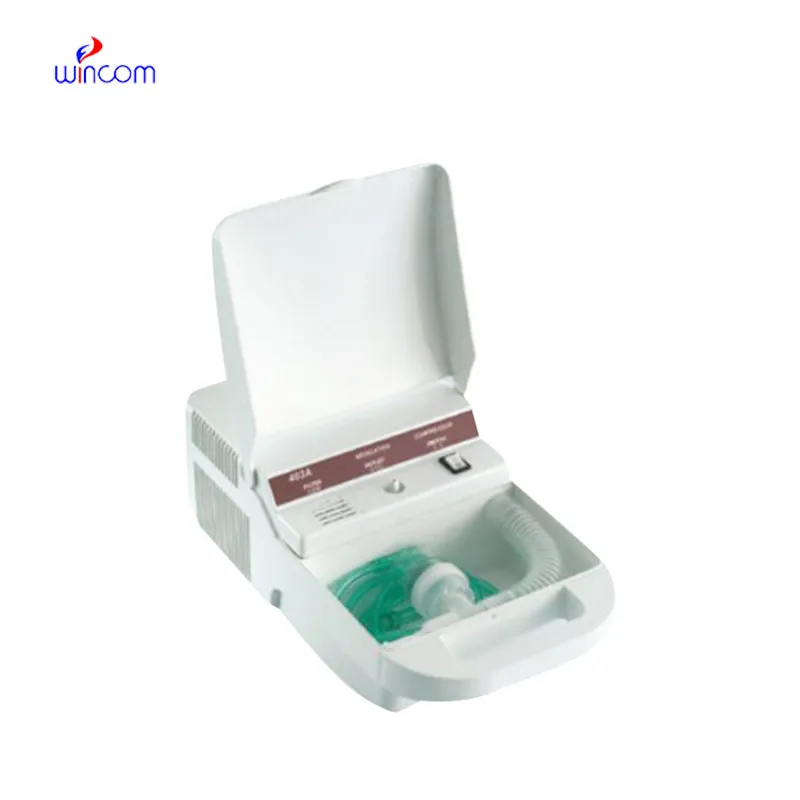
In hospitals and clinics, the use of small portable oxygen concentrators is defined by its feature of turning the surrounding atmosphere into pure oxygen through a controlled technique. This method significantly lessens the need for storing oxygen outside. The machine can be set for different flow rates, thus giving the doctors the freedom to customize the supply of oxygen according to the patient's condition. The health care facilities take advantage of its never-ending usage and consistent performance. All these properties render small portable oxygen concentrators as an indispensable part of today's respiratory aid systems.

small portable oxygen concentrators is utilized in standard hospital wards as a device to support the patients needing oxygen therapy either constantly or intermittently. The medical personnel use the machine for securing proper oxygen saturation levels while the patient is undergoing regular treatments and check-ups. The device's continuous output allows the patient to get uninterrupted oxygen supply all day long. The device has different flow settings which facilitate the making of personalized care plans. In congested ward settings, small portable oxygen concentrators contributes to the reduction of the use of oxygen cylinders while at the same time providing dependable respiratory support to patients who stay in the hospital for a longer period of time.
It is anticipated that the future of small portable oxygen concentrators in infectious disease units will include advanced contamination control features. Better filtration and sealed airflow systems might enable the application of more rigorous hygiene rules. These hospitals could possibly be the ones that get the most out of these advancements. The developments are in line with the new standards of infection control. {Keywords} is a product that one can expect to evolve along with the healthcare settings as they face new challenges.
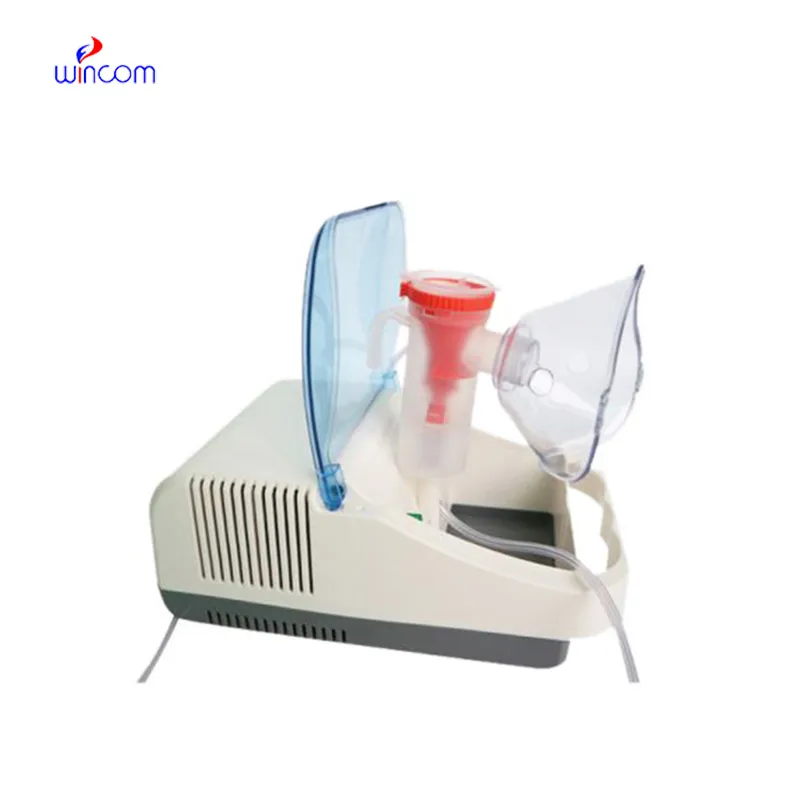
Monitoring device performance over time is an essential maintenance step for small portable oxygen concentrators. Hospitals should keep records of operational hours, flow rates, and output quality. Technical servicing may be required if there are sudden fluctuations in oxygen concentration or strange sounds coming from the equipment. The regular preventive inspection and timely replacement of consumables ensure reliability. By taking these measures, the hospital can minimize the disruption of oxygen therapy to patients and thus maintain the workflow in the hospital. If they push the monitoring and maintenance consistently, small portable oxygen concentrators will again provide reliable respiratory support in different clinical areas.
In recovery units after surgery, small portable oxygen concentrators is particularly applied to assist patients to return to a stable breathing state after being put under anesthesia. The gradual flow of oxygen suffices to keep the oxygen saturation in the blood at proper levels during the early recovery phase. Hospital personnel observe the patients and change the rates as per the needs. The apparatus guarantees that during this crucial period, oxygen will never run out. Besides, the use of small portable oxygen concentrators in recovery departments is indicative of its adaptability to various parts of hospital patient treatment.
Q: What is the main purpose of an Oxygen Concentrator? A: Its main purpose is to draw oxygen from the ambient air and deliver it in a continuous, high-purity flow for the patient's respiratory support. Q: Where is an Oxygen Concentrator most frequently found? A: It is pretty much ubiquitous in hospitals, where it is utilized in wards, ICUs, outpatient clinics, and emergency departments. Q: Is it suitable for both children and adults? A: Yes, the flow rates are adjustable to meet the oxygen needs of both pediatric and adult patients. Q: What is the way the device ensures a continuous oxygen supply? A: It frees the air of nitrogen and thus generates oxygen without the requirement of relying on bottle storage. Q: Is a training necessary for Oxygen Concentrator operator? A: Healthcare workers are supposed to be trained not just to alter the flow but also to monitor the output and perform basic maintenance.
The delivery bed is well-designed and reliable. Our staff finds it simple to operate, and patients feel comfortable using it.
We’ve been using this mri machine for several months, and the image clarity is excellent. It’s reliable and easy for our team to operate.
To protect the privacy of our buyers, only public service email domains like Gmail, Yahoo, and MSN will be displayed. Additionally, only a limited portion of the inquiry content will be shown.
Hello, I’m interested in your water bath for laboratory applications. Can you confirm the temperat...
I’m looking to purchase several microscopes for a research lab. Please let me know the price list ...
E-mail: [email protected]
Tel: +86-731-84176622
+86-731-84136655
Address: Rm.1507,Xinsancheng Plaza. No.58, Renmin Road(E),Changsha,Hunan,China


 EN
 af
 es
 ar
 tr
 sw
 pt
 th
 ur
 bn
 ne
 vi
 km
 lo
 de
 ru
 fi
 nl
 fa
 fr
 ko