Ideal to aid laboratory precision, the thermostatically controlled water bath offers better temperature control and uniformity. It is intended for applications that need stable temperatures, for example, reagent preparation or incubation. The system has an integrated thermostat that automatically regulates the set temperature range. The wear-resistant and corrosion-resistant materials employed in the thermostatically controlled water bath enable continuous use. The smooth bore facilitates easy cleaning, and the compact size optimizes workspace efficiency. The thermostatically controlled water bath offers excellent temperature control for test and research situations.
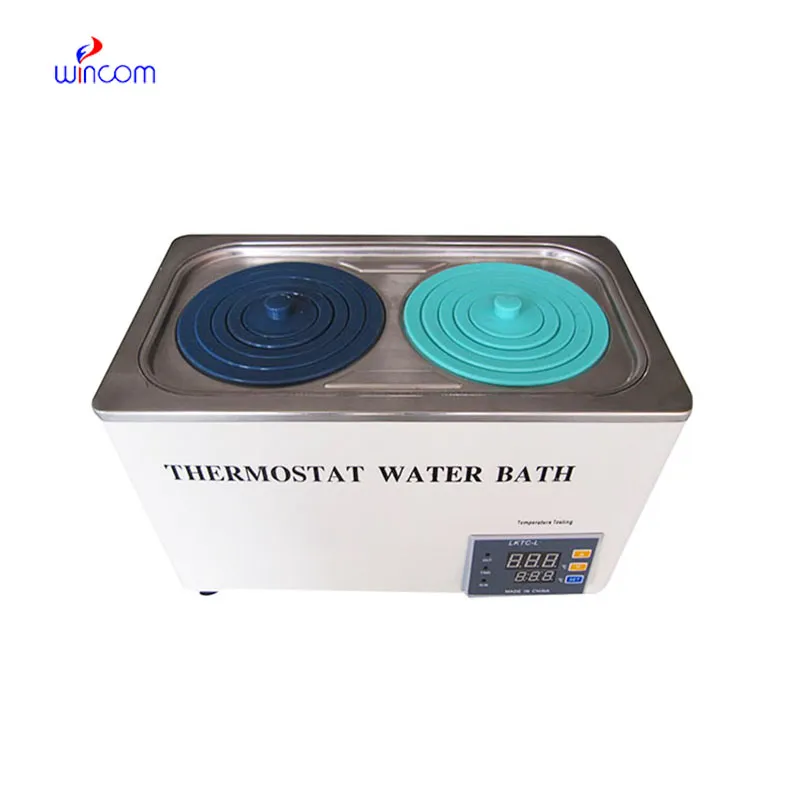
Employed extensively in life sciences, environmental testing, and industrial R&D work, the thermostatically controlled water bath promotes even heat for sensitive operations. Employed to enable laboratory operations that include heating reagents, culture incubation, and biochemical reaction maintenance, the thermostatically controlled water bath is applied in environmental studies for sample conditioning and temperature-related analysis. With a stable thermal response, it minimizes experiment-to-experiment variability. From applications in work done for instruction to research-level work, the thermostatically controlled water bath provides a dependable heat environment that enhances the integrity of lab investigations.
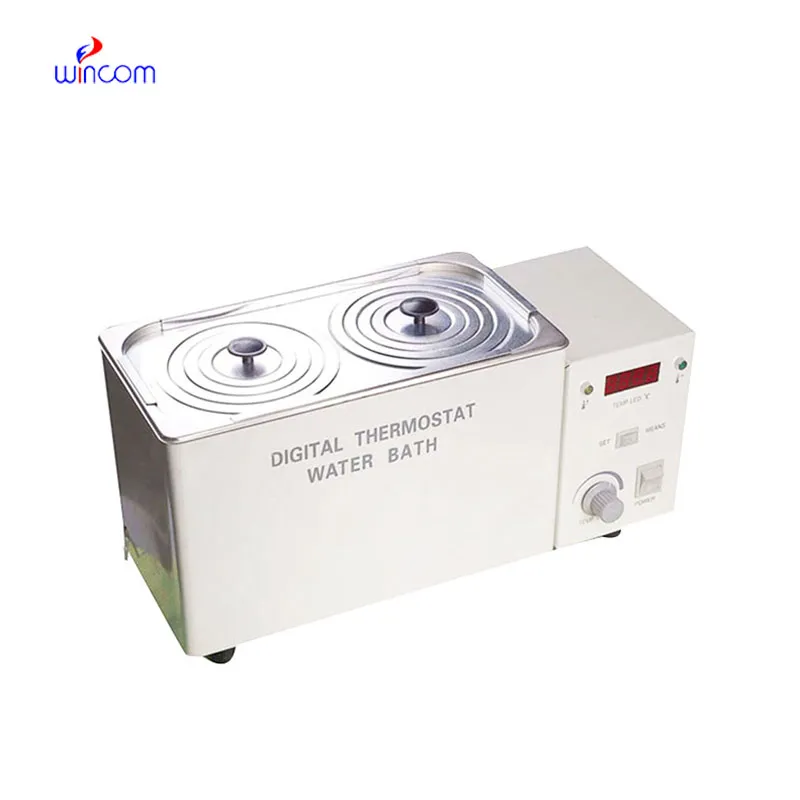
Future technology of thermostatically controlled water bath will be aimed at automation, digital precision, and sustainability. Artificial intelligence system with integration will predict the optimal heating parameters for different applications. Smart sensors will provide real-time temperature balance, and data connectivity will link the thermostatically controlled water bath to universal laboratory management systems. Additional progress in insulation and material efficiency will conserve power. Future thermostatically controlled water bath will provide scientists with improved control, increased reproducibility, and improved operation safety in every laboratory environment.
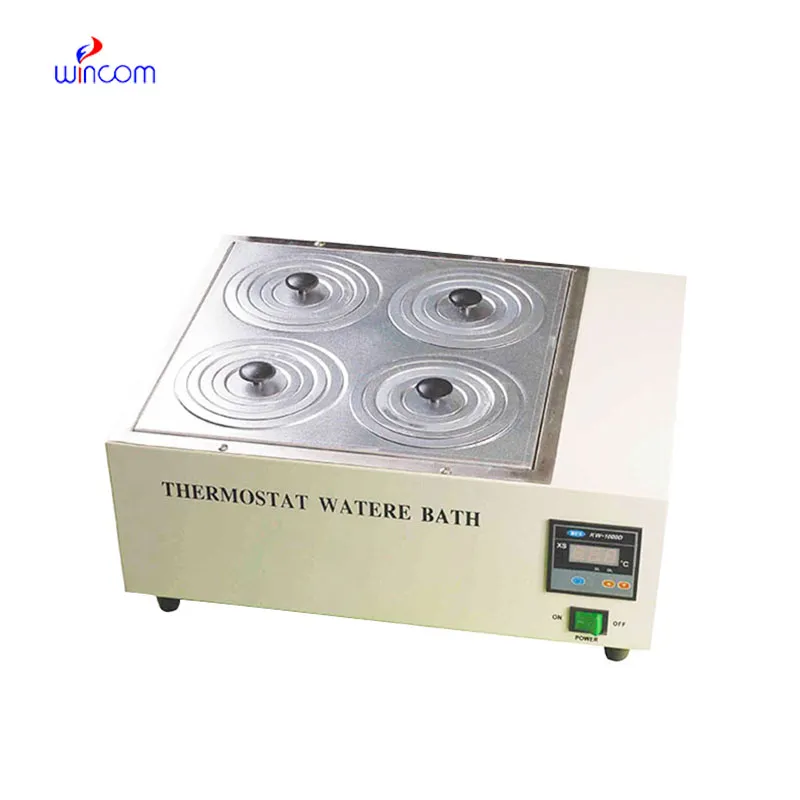
For effective operation, the thermostatically controlled water bath requires frequent servicing. Cleaning and draining of the water chamber daily in order to eliminate sediment and biofilm. The use of filtered or deionized water prevents deposits. The heaters, seals, and gaskets must always be inspected for wear. Cleaning with a damp cloth on the outer surface with care. Scheduling calibration of the temperature control system ensures continuous accuracy. Regularly maintained thermostatically controlled water bath offers consistent heating performance and optimizes working life under operating laboratory conditions.
A thermostatically controlled water bath delivers even heating for laboratory purposes where accuracy is essential. It holds water at fixed temperatures for such procedures as bacterial culture incubation, heating of reagents, and thawing of samples. The internal temperature sensors and thermostat of the **thermostatically controlled water bath** facilitate even conditions during use. Its stainless-steel chamber is corrosion-resistant, with security features protecting samples from overheating. The **thermostatically controlled water bath** facilitates reliability and consistency that enable precise scientific and experimental methods.
Q: What is the primary function of a water bath in the laboratory? A: A water bath is used to maintain samples at a constant temperature for extended periods, providing stable heating conditions for experiments and reactions. Q: Why is distilled water recommended for use in a water bath? A: Distilled water is preferred because it prevents mineral buildup, reduces corrosion, and helps extend the lifespan of the equipment. Q: How often should the water in a water bath be replaced? A:When contamination or visible residue occurs, it should be replaced at least once a week or more frequently to ensure cleanliness and accurate heating performance. Q: What safety measures should be taken when operating a water bath? A: Users should avoid overfilling, keep electrical components dry, and regularly check temperature controls to prevent overheating or short circuits. Q: Can a water bath be used for heating flammable liquids? A: No, flammable liquids should never be heated in a water bath, as vapors can ignite when exposed to heat or electrical sparks.
We’ve used this centrifuge for several months now, and it has performed consistently well. The speed control and balance are excellent.
This x-ray machine is reliable and easy to operate. Our technicians appreciate how quickly it processes scans, saving valuable time during busy patient hours.
To protect the privacy of our buyers, only public service email domains like Gmail, Yahoo, and MSN will be displayed. Additionally, only a limited portion of the inquiry content will be shown.
We’re interested in your delivery bed for our maternity department. Please send detailed specifica...
Hello, I’m interested in your centrifuge models for laboratory use. Could you please send me more ...
E-mail: [email protected]
Tel: +86-731-84176622
+86-731-84136655
Address: Rm.1507,Xinsancheng Plaza. No.58, Renmin Road(E),Changsha,Hunan,China


 EN
 af
 es
 ar
 tr
 sw
 pt
 th
 ur
 bn
 ne
 vi
 km
 lo
 de
 ru
 fi
 nl
 fa
 fr
 ko