Being a crucial device for monitoring patients medically, the vital sign monitor offers a simultaneous ECG and vital signs display for patient evaluation. The apparatus aids in the acquisition of stable signals and the depiction of clear waveforms, which enable the medical personnel to keep track of the physiological trends very effectively. Its usage is not limited to one department only, but rather, it is found throughout the hospital where continuous monitoring and data review are done consistently during diagnosis, treatment, and recovery.
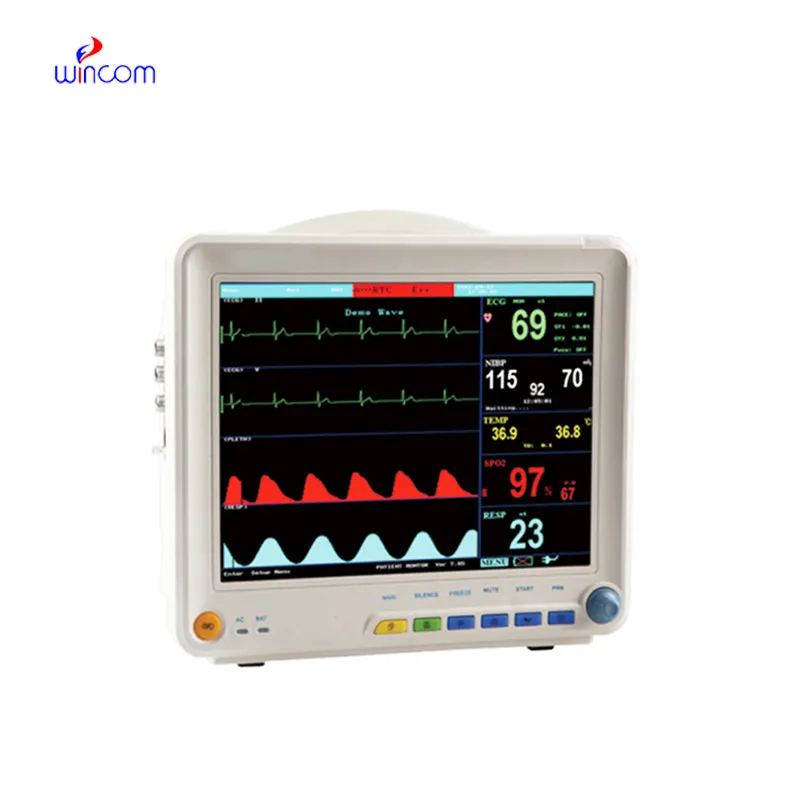
In neonatal and pediatric units, vital sign monitor is executed to assist the continuous monitoring of at-risk patients. ECG monitoring permits the observing of fine heart activity together with vital signs. This application facilitates the uninterrupted monitoring with minimal physical disturbance thus increasing patient safety in the specialized hospital areas.

Eventually, vital sign monitor will be considered as a vital part of integrated patient management platforms in the long run. The ongoing ECG data will play a major role in forming all-inclusive physiological profiles that will aid in the great collaboration of medical practitioners. This change will reinforce patient monitoring methods in the current healthcare systems.
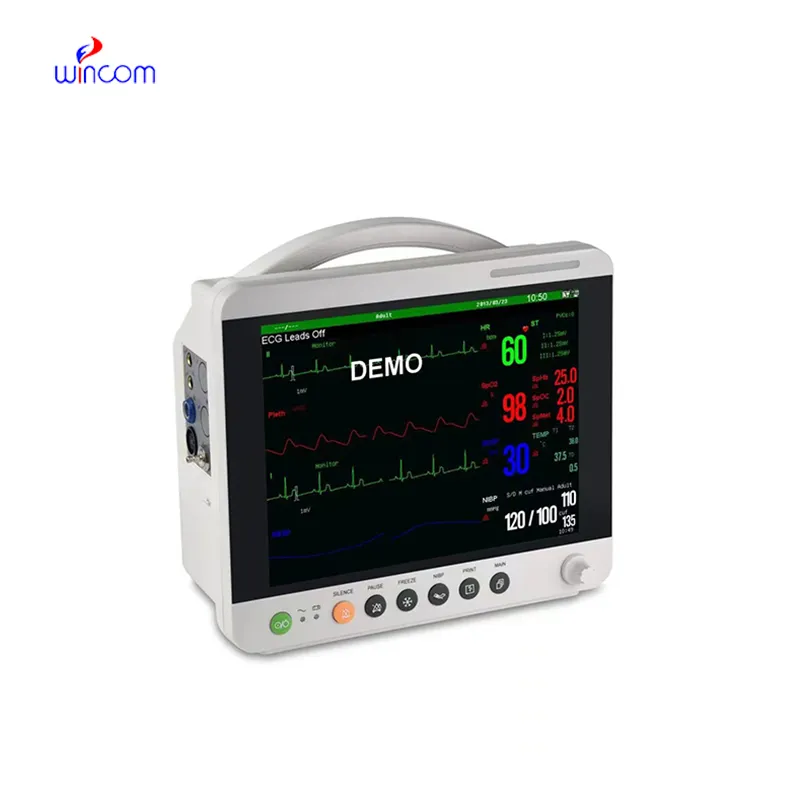
The appropriate vital sign monitor handling is initially by disinfecting surfaces and display-mounts routinely with hospital-grade disinfectants. Regular checks of sensors, wires, and ECG leads for possible wear or damage should be conducted. It is necessary to keep the machinery in a controlled environment to avoid the threats of moisture, dust, or vibration. Moreover, frequent software updates will help in keeping the data processing accurate and the alarm working reliably. Adherence to systematic maintenance schedules is the way to ensure the precision of the measurement, the support of long-term functionality, and the reliability of vital sign monitor as an instrument spread over hospital wards, ICUs, and clinical labs.
The term vital sign monitor is often utilized in the areas where post-operative recovery takes place for the purpose of tracking the stability of patients after surgical procedures. The uninterrupted ECG monitoring helps the healthcare professionals to analyze the heart rhythm patterns during the period of anesthesia recovery. The mixture of vital signs monitoring guarantees the steady and reliable assessment of the patient's condition, thus, reducing the uncertainty in the clinic. Its use in recovery rooms makes the change from surgery to the normal care easier.
Q: What are the different kinds of signals that a Patient Monitor & ECG can identify? A: It identifies electrical cardiac signals, heart rate, arrhythmias, and often additional vital signs. Q: In what way does a Patient Monitor & ECG facilitate surgical interventions? A: It guarantees uninterrupted monitoring of the heart's activity during anesthesia and surgery. Q: Should one undergo training in order to use the Patient Monitor & ECG device? A: A very basic training course will make sure the ECG waveforms are interpreted correctly and the device is handled well. Q: Is there a possibility to connect it with hospital information systems? A: Yes, quite a number of models provide the possibility of connecting for the purpose of centralized data monitoring and analysis. Q: What is the maximum duration for which a Patient Monitor & ECG can be used without stopping? A: Generally, the manufacturers of the most devices design them to be used for the long term with the right maintenance and power management.
We’ve used this centrifuge for several months now, and it has performed consistently well. The speed control and balance are excellent.
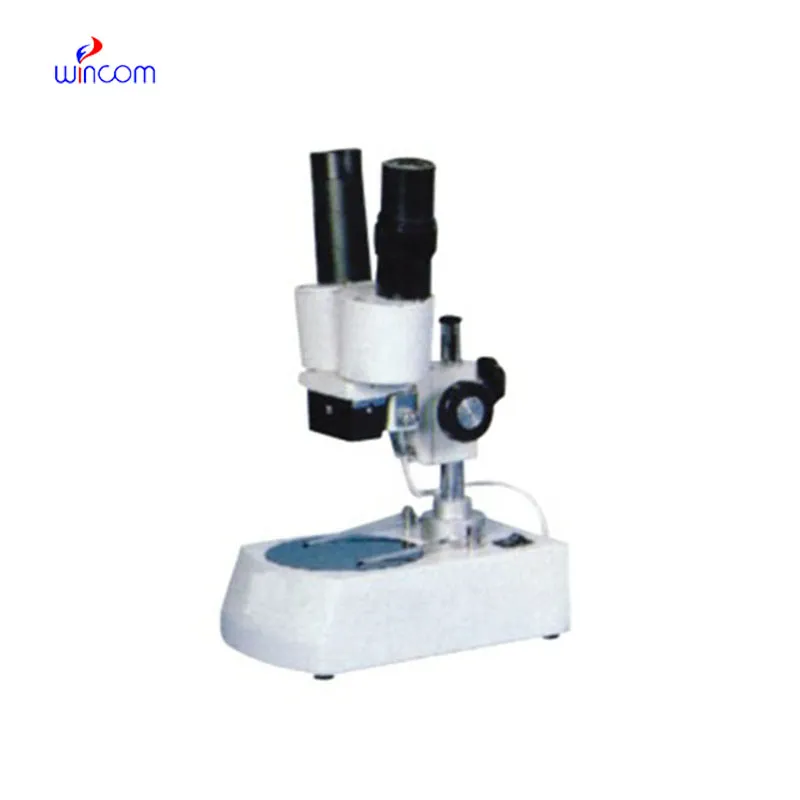
I’ve used several microscopes before, but this one stands out for its sturdy design and smooth magnification control.
To protect the privacy of our buyers, only public service email domains like Gmail, Yahoo, and MSN will be displayed. Additionally, only a limited portion of the inquiry content will be shown.
Hello, I’m interested in your centrifuge models for laboratory use. Could you please send me more ...
We’re currently sourcing an ultrasound scanner for hospital use. Please send product specification...
E-mail: [email protected]
Tel: +86-731-84176622
+86-731-84136655
Address: Rm.1507,Xinsancheng Plaza. No.58, Renmin Road(E),Changsha,Hunan,China


 EN
EN
 af
af
 es
es
 ar
ar
 tr
tr
 sw
sw
 pt
pt
 th
th
 ur
ur
 bn
bn
 ne
ne
 vi
vi
 km
km
 lo
lo
 de
de
 ru
ru
 fi
fi
 nl
nl
 fa
fa
 fr
fr
 ko
ko