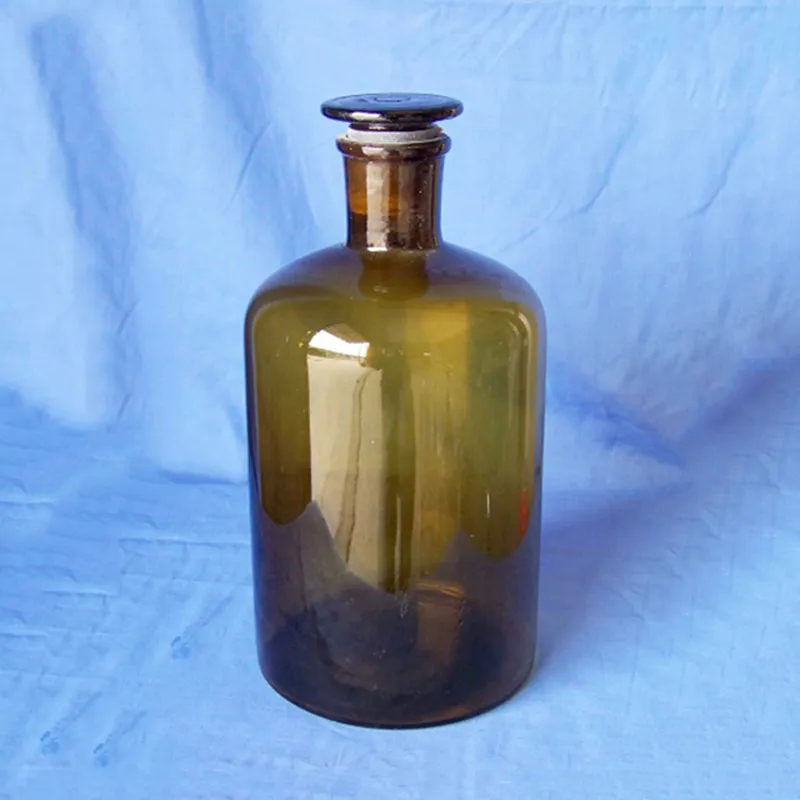
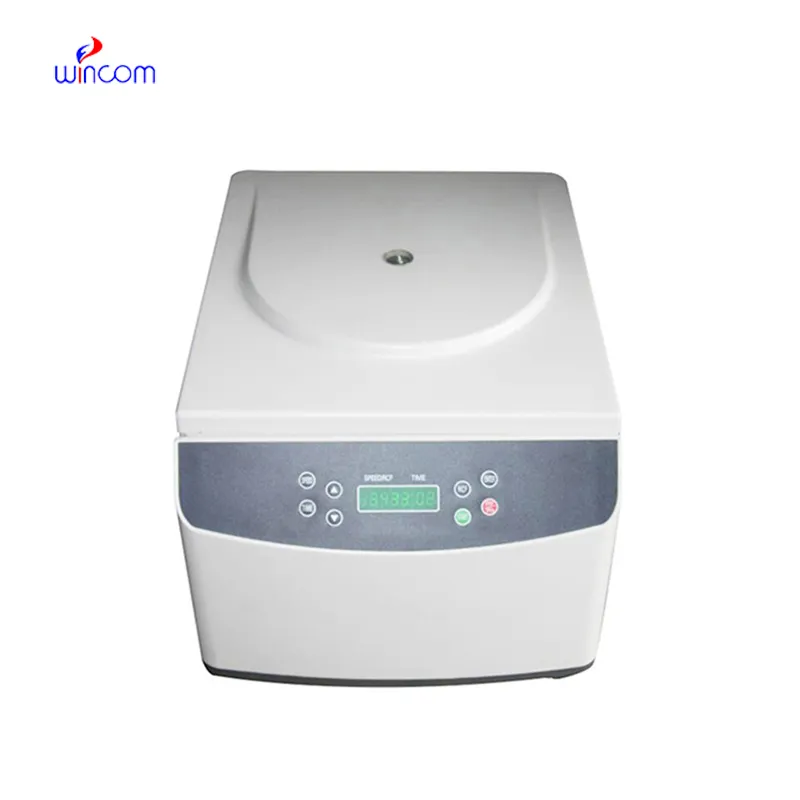
Designed to supply uniform and accurate heating, the water bath used in chemistry lab is noted for its rugged build and simple controls. Temperature is variable in small steps and maintained constant through a sophisticated microprocessor-operated system. The stainless-steel enclosure resists corrosion and distributes heat evenly. The water bath used in chemistry lab is equipped with automatic temperature recovery and low-water protection for added security. With its sleek exterior, noiseless running, and power conservation, it fits into any laboratory setup. The water bath used in chemistry lab makes certain that there is consistent performance during critical experimental procedures.
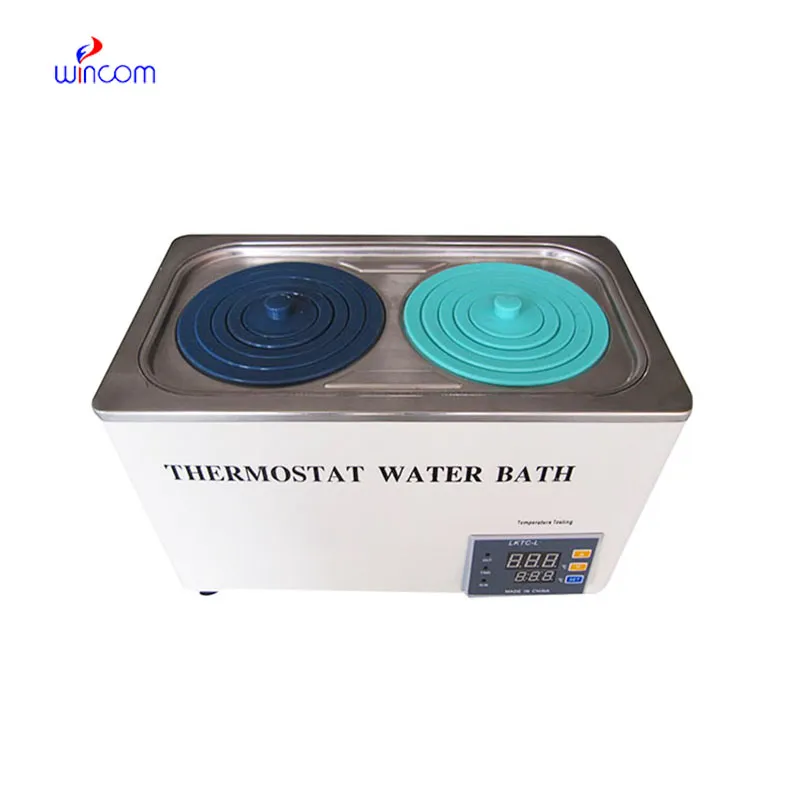
The water bath used in chemistry lab is a valuable resource of laboratories in biology, chemistry, and clinical research. The water bath used in chemistry lab is most commonly used for warming cultures, pre-warming reagents, softening substrates, and adjusting sample temperatures. In microbiology, the water bath used in chemistry lab is applied to grow bacterial cultures at controlled temperatures. In chemistry laboratory facilities, it is applied to reaction kinetics and digestion reactions of samples. Pharmaceutical facilities utilize the water bath used in chemistry lab for product testing and stability tests. Its precise temperature control yields consistent results, supporting research and quality control procedures.
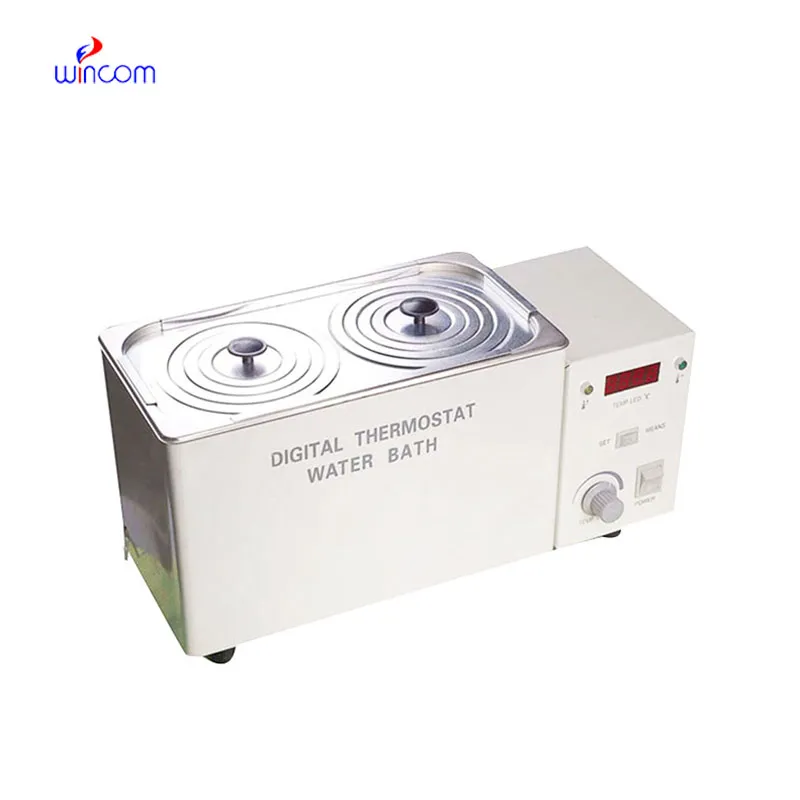
With advancing laboratory technology, the water bath used in chemistry lab will also upgrade with increased performance and connectivity. The addition of artificial intelligence will enable predictive temperature control with automatic adjustment by experiment type. Data storage capacities will enable precise records of temperature histories for ensuring compliance and reproducibility. Energy-saving properties will also be added to the water bath used in chemistry lab. Its advancement will be necessitated by the need for precision, ease, and sustainability in the current research settings.

Monitoring of usage and regular cleaning are required to keep the water bath used in chemistry lab. The water must be replaced at intervals to prevent microbial growth and ensure purity. Drain and dry the tank thoroughly before prolonged periods of inactivity. Clean with soft sponge and non-corrosive cleaner in order to preserve the integrity of the metal chamber. Inspect thermostats and electrical elements for any deviation. Proper ventilation around the water bath used in chemistry lab also helps to provide proper temperature control. Prompt maintenance guarantees long-term reliability and stable performance.
A water bath used in chemistry lab is an easy way to have constant temperatures for a number of laboratory applications. It possesses a heating element and thermostat to maintain the water at a level chosen by the user. Scientists rely on the water bath used in chemistry lab for incubation, chemical reaction, and sample heating operations that require accurate temperature control. The gentle circulation of the water prevents hot spots and cold spots from occurring, providing uniform heat transfer. Constructed with a strong outer casing and safety mechanisms, the water bath used in chemistry lab is a workhorse for routine and specialized lab procedures.
Q: What is the primary function of a water bath in the laboratory? A: A water bath is used to maintain samples at a constant temperature for extended periods, providing stable heating conditions for experiments and reactions. Q: Why is distilled water recommended for use in a water bath? A: Distilled water is preferred because it prevents mineral buildup, reduces corrosion, and helps extend the lifespan of the equipment. Q: How often should the water in a water bath be replaced? A:When contamination or visible residue occurs, it should be replaced at least once a week or more frequently to ensure cleanliness and accurate heating performance. Q: What safety measures should be taken when operating a water bath? A: Users should avoid overfilling, keep electrical components dry, and regularly check temperature controls to prevent overheating or short circuits. Q: Can a water bath be used for heating flammable liquids? A: No, flammable liquids should never be heated in a water bath, as vapors can ignite when exposed to heat or electrical sparks.
The delivery bed is well-designed and reliable. Our staff finds it simple to operate, and patients feel comfortable using it.
The centrifuge operates quietly and efficiently. It’s compact but surprisingly powerful, making it perfect for daily lab use.
To protect the privacy of our buyers, only public service email domains like Gmail, Yahoo, and MSN will be displayed. Additionally, only a limited portion of the inquiry content will be shown.
We’re interested in your delivery bed for our maternity department. Please send detailed specifica...
Could you please provide more information about your microscope range? I’d like to know the magnif...
E-mail: [email protected]
Tel: +86-731-84176622
+86-731-84136655
Address: Rm.1507,Xinsancheng Plaza. No.58, Renmin Road(E),Changsha,Hunan,China


 EN
 af
 es
 ar
 tr
 sw
 pt
 th
 ur
 bn
 ne
 vi
 km
 lo
 de
 ru
 fi
 nl
 fa
 fr
 ko